
Drain Repair in Ottawa: Symptoms, Inspection & Next Steps: what to know before the next step

Illustrative AI-generated image, not a photograph of local work or a provider.
Drain repair in Ottawa is different from clearing a clog. A drain that slows once may need an obstruction removed; a line that repeatedly blocks, leaks, shifts, or allows wastewater to return may need diagnosis and a repair plan. This research-led guide explains how to describe the symptoms, what an inspection can and cannot establish, how to think about Ottawa’s public/private sewer boundary, and what to ask before authorizing work. It is educational information, not a diagnosis of a particular property. For a related first step, see our drain cleaning guide.
- 1
Record the pattern
Note which fixtures are affected, when backup occurs, and whether the issue returns after clearing.
- 2
Reduce exposure
Stop adding water if backup is possible; avoid contact with wastewater and do not mix drain chemicals.
- 3
Locate the evidence
Ask what inspection method can access the line and what it can actually show.
- 4
Confirm scope and boundary
Get the proposed work, access, testing, exclusions, and responsibility assumptions in writing.
Drain repair or drain cleaning: what is the difference?
Drain cleaning generally aims to remove a blockage or buildup so water can flow. Drain repair addresses a physical or functional defect in the drainage system, such as a cracked, displaced, corroded, or otherwise compromised section. The symptoms can overlap: a damaged pipe may catch debris, while a temporary clog may look dramatic without any pipe failure. Restored flow after cleaning is useful evidence about the immediate symptom, but it does not by itself prove that the pipe is structurally sound.
The distinction matters when a problem comes back. If one basin slows and stays clear after a simple intervention, a local obstruction may be plausible. Repeated backups, multiple fixtures reacting together, sewage odour, wet soil, unexplained dampness, or a recurring blockage at a similar location deserve a broader conversation. Read our Manotick drain cleaning guide for safe preparation and common obstruction patterns. If you are comparing broader options, the plumbing repair overview covers how to document symptoms without guessing at a cause.
Avoid accepting either extreme without supporting evidence: not every slow drain requires excavation, and repeated failure should not be dismissed as routine maintenance forever. Ask the provider to explain what was observed, which parts of the system were accessible, what remains unknown, and why the next recommended step follows from the evidence. A clear explanation is more useful than a confident label unsupported by inspection.
Recognize patterns that help narrow the investigation
Write down the first affected fixture, the order in which other fixtures respond, and the conditions when symptoms occur. A kitchen sink that slows only during heavy use is different from a floor drain that rises when laundry discharges. Note gurgling, bubbling, odour, intermittent flow, and whether a toilet changes when a shower or washing machine runs. Include recent renovation, tree work, heavy rainfall, or a long vacancy only as context—not as proof of a cause.
Several affected fixtures can indicate that they share a downstream route, but symptoms alone cannot reliably identify the exact obstruction or pipe condition. A single fixture can still connect to a larger issue, and a main-line symptom can be intermittent. Keep people and pets away from wastewater. If sewage is present, stop using fixtures that may worsen the backup, avoid direct contact, and seek appropriate help. Plumbing work and water-damage cleanup are often distinct scopes; confirm who is responsible for each before work begins.
The Ottawa drain cleaning guide explains safe first steps for common slow-drain situations. For broader home planning, our plumbing guide for Manotick homeowners helps locate shutoffs, drains, and other system details. These resources are preparation aids, not substitutes for an on-site assessment or urgent response when there is active contamination.
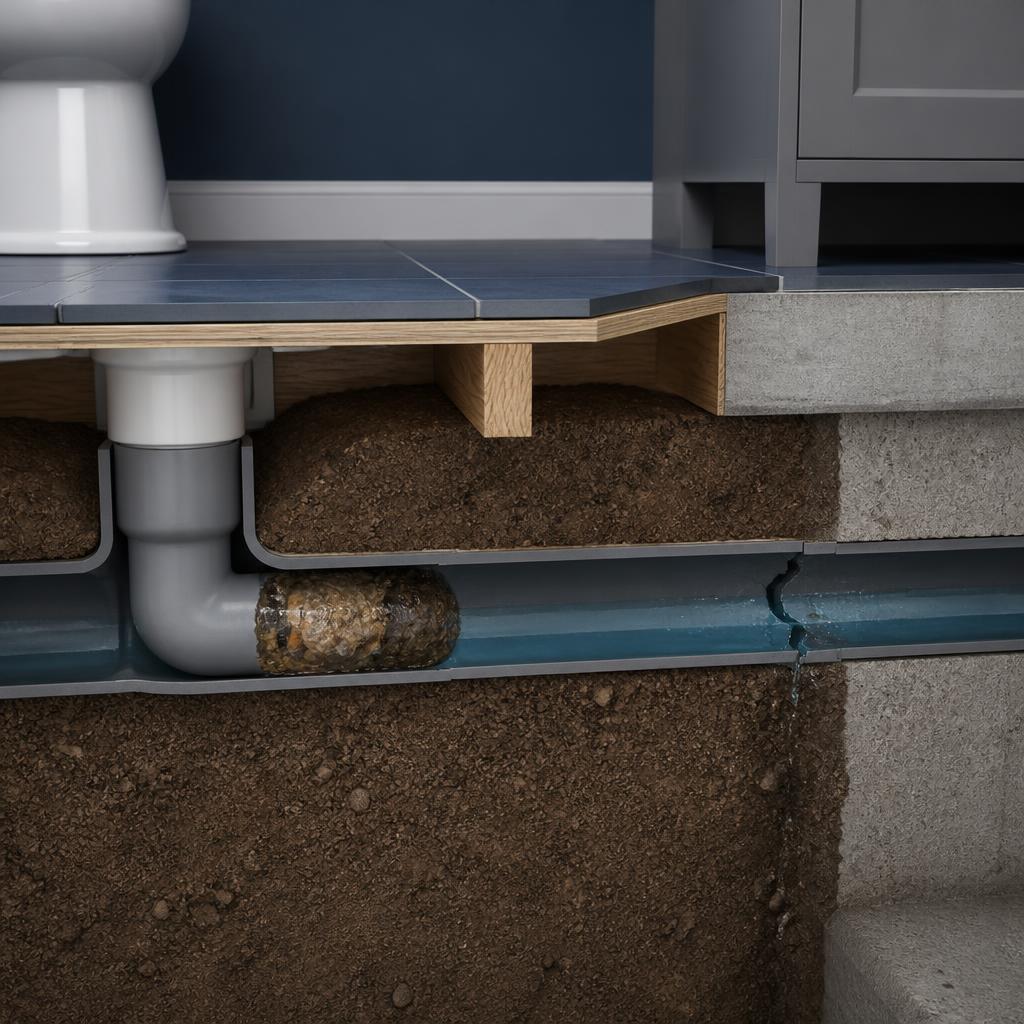
What a camera inspection can show—and what it cannot
A sewer camera can provide a view of portions of a line that the equipment can reach. Depending on access and conditions, an operator may be able to observe debris, standing water, a visible offset, roots, or a change in pipe shape. A useful report identifies the route or distance as clearly as possible and explains the view in plain language. Ask whether the recording or still images will be available and how the provider identified the relevant location.
A camera is not a universal answer. A blockage can prevent passage; water, debris, bends, pipe size, access, or camera position can limit the view. A normal-looking image of one section does not certify every connected pipe, and a camera may not reveal the cause of every flow problem. Ask what was not inspected and what other tests, if any, are being proposed. The recommendation should fit the actual uncertainty rather than simply escalate because a tool is available.
If repair is proposed, ask how the observed condition relates to the symptom and what repair method addresses it. Request an explanation of access, expected disruption, protection of landscaping or finished surfaces, testing after the work, and how unexpected conditions change the scope. Do not treat a dramatic image without location, context, or a written recommendation as a complete diagnosis. The goal is a decision record you can compare, not a collection of technical terms.
Ottawa sewer service lines: understand the property boundary
Ottawa’s published guidance describes a shared responsibility for water and sewer service lines. In general, the City maintains the sewer service between the public sewer main and the property line, while the homeowner is responsible for the portion between the property line and the home. The exact situation can depend on the line, location, and applicable City rules, so do not use this summary to decide who must authorize or pay for a specific repair.
Before arranging work on a suspected sewer service problem, consult the City’s current shared responsibility guidance for water and sewer service lines. Contact the City when the public portion may be involved and ask what information it needs. A private contractor’s observation and a municipal determination are not interchangeable. Confirm access rights, the affected segment, and who coordinates each part before excavation or repair is scheduled.
This boundary is particularly important when the reported issue is outside the building, near the property line, or on a service that connects to public infrastructure. Avoid assuming that a symptom at the house establishes the location or ownership of the defect. Ask for the evidence and proposed location to be documented, then verify responsibilities with the relevant authority and provider. Keep written records of instructions and approvals.
Compare a drain repair proposal, not just the headline
A useful written proposal should say what problem is being addressed, what evidence supports the diagnosis, which segment or fixture is included, how the provider plans to access it, and how the completed work will be tested. It should also identify assumptions, exclusions, cleanup responsibilities, restoration boundaries, and how the price or scope could change if concealed conditions differ. Compare equivalent work rather than one total against another total with different assumptions.
Ask whether the proposed work is cleaning, repair, replacement, or further investigation. If a temporary measure is suggested, ask how long it is intended to help and what follow-up is recommended. If excavation is involved, clarify the planned route and who handles landscaping, paving, disposal, and any separate restoration. Confirm warranties in writing and ask what they cover. There is no responsible universal Ottawa drain-repair price for every property; access, line condition, method, and restoration can change the work.
The plumbing cost guide explains why written scope and site-specific assumptions matter. If you want to review a commercial provider’s plumbing information, drain repair and plumbing service information is available from PlumbingNow.ca. Disclosure: PlumbingNow.ca is a commercial partner of this informational website; this link is not an independent review or a guarantee of service quality, availability, or suitability.
Safety and preparation before a visit
Stop running water if a drain may back up. Never mix drain products or add another chemical after using one; tell a provider exactly what product was used and when. Avoid opening a cleanout or trap if you are unsure how to contain the contents, if the fitting is corroded, or if wastewater may be under pressure. Use gloves only for limited observation and keep contaminated water away from skin, food, children, and pets. Do not enter an excavation or confined space.
Before an assessment, make accessible areas safe and clear without removing sealed covers or moving heavy equipment. Gather a short timeline, affected fixture list, any previous cleaning or repairs, and non-sensitive photographs. Mention whether the water is clean or wastewater, whether the issue is active, and whether other fixtures are involved. If there is immediate flooding or contamination, prioritize safety and appropriate emergency resources rather than waiting for a routine request form.
ManotickPlumber.com is a research-based homeowner resource, not a local plumbing company. It does not dispatch crews, verify every contractor’s licence or insurance, or promise response times. Confirm service area, qualifications, insurance, municipal requirements, written scope, and terms directly with any provider you choose. For a separate fixture issue, see our faucet repair guide for Ottawa.
Questions about drain repair in ottawa: symptoms, inspection & next steps
How do I know whether I need drain repair or cleaning?
A one-time blockage may respond to cleaning, but recurring symptoms, multiple affected fixtures, leaks, or evidence of pipe damage merit further assessment. Flow returning after clearing does not prove the pipe is sound. Ask what was observed and what remains uncertain.
Does a sewer camera inspection confirm the whole line is healthy?
No. The camera only shows the portions it can access and view under the conditions present. Access, bends, standing water, debris, and blockages can limit the inspection. Ask which areas were not seen and how the findings support the recommendation.
Who is responsible for a sewer line in Ottawa?
The City describes a general boundary at the property line: City responsibility typically covers the public sewer main to the property line, and homeowner responsibility the property line to the home. Verify the specific situation with the City before deciding who authorizes work.
Should I keep using water if a drain is backing up?
If additional water could worsen a backup, stop using connected fixtures until the situation is understood. Keep people and pets away from wastewater, avoid direct contact, and seek appropriate help. Do not mix chemical drain products.
What should a drain-repair quote include?
Look for the diagnosed issue and supporting evidence, included line segment, access method, testing, exclusions, cleanup and restoration responsibilities, assumptions, and a process for unexpected conditions. Compare proposals with equivalent scopes and written terms.