
Drain Cleaning in Manotick: what to know before the next step
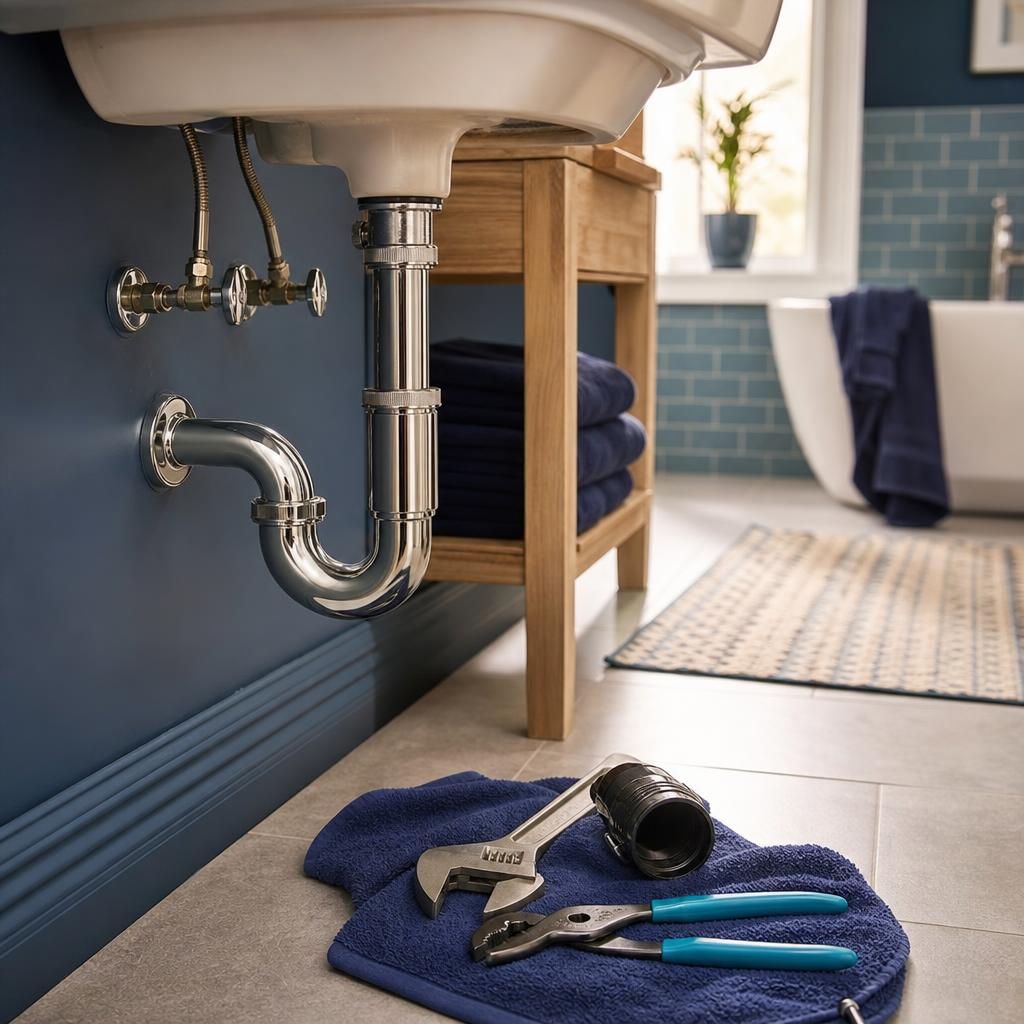
Illustrative AI-generated image, not a photograph of local work or a provider.
Drain cleaning in Manotick is not only about making water disappear today; it is about understanding why flow slowed and preventing an unsafe temporary fix from becoming a larger problem. This guide explains household drains, warning signs, preparation, and questions for a qualified provider. Use the drain cleaning service page for a concise overview, then submit a service request only if you want to discuss a property-specific situation. This site is an information and request resource, not a provider, and does not promise emergency response, pricing, coverage, or results.
What a slow drain is telling you
A drain rarely becomes slow for one universal reason. Bathroom basins collect hair, toothpaste, and soap; kitchen sinks accumulate grease, food particles, and detergent residue; tubs may gather hair and lint; laundry standpipes can be affected by lint, excess suds, or a deeper restriction. A floor drain may appear slow because its trap has dried or because downstream flow is impaired. Note which fixture is affected, how quickly it drains, and whether the problem returns after a brief improvement.
The pattern is as important as the puddle. One isolated sink points toward a local trap or branch, whereas several fixtures slowing together can suggest a shared line or capacity problem. Gurgling, odour, water rising in a floor drain when laundry runs, or a toilet reacting to another fixture should be reported. The home plumbing checklist helps organize observations without asking homeowners to diagnose a buried pipe from symptoms alone.
Safe first steps before requesting help
Stop adding water when a drain is close to overflowing. Remove standing water only with appropriate protection and avoid contact with wastewater. A removable strainer, hair screen, or accessible trap may be cleaned carefully if you understand how to contain the water and replace the seal; do not force brittle fittings. Keep children and pets away from contaminated areas and never combine cleaning chemicals, even if one product appears ineffective.
Chemical drain openers can burn skin and eyes, damage some materials, and create a hazardous liquid in a line someone later needs to open. They also may not reach a blockage or address a damaged pipe. Tell any provider what product was used and when. For general basement-related concerns, the basement flood protection page covers drainage layers, but a floor-drain backup may require a more urgent and specialized response than a slow sink.
Kitchen sink and dishwasher drainage
Kitchen drainage is challenged by grease that cools inside a line, starches that swell, coffee grounds, and food scraps that settle at bends. Even a disposal or strainer cannot make a drain immune to buildup. Wipe pans before washing, use the correct basket, and avoid treating hot grease as drain-safe simply because it is liquid in the pan. If a dishwasher leaves water in its base or a sink backs up during a cycle, mention both appliances and their sequence.
A sink trap, branch line, dishwasher hose, air gap, and vent each contribute to drainage. A new faucet will not solve a restricted waste line, and repeatedly plunging against a closed dishwasher connection can move water where it should not go. The kitchen plumbing service page offers related context. Ask what was cleared, how the line was tested, and whether any recurring cause remains rather than accepting restored flow as proof that the system is healthy.
Bathroom fixtures and hair blockages
Bathroom clogs often develop gradually because hair binds with soap and mineral deposits. A tub that drains only while the stopper is lifted may have buildup at the opening; a toilet that rises when flushed has different risks from a basin that drains slowly. Use a suitable plunger only when you understand the fixture and have not introduced corrosive chemicals. Do not keep flushing a toilet that is already near its rim.
Recurring bathroom drainage can reflect a deeper branch restriction, inadequate venting, a displaced object, or a line condition that a surface tool cannot resolve. Avoid pushing an improvised wire into a fixture, where it can scratch surfaces or lodge in a trap. The bathroom plumbing service page discusses fixture access and connected plumbing. A clear account of what happens when the shower, basin, toilet, and laundry operate together helps distinguish local from shared symptoms.
Floor drains, laundry, and basement clues
Basement floor drains deserve attention because they can reveal trouble elsewhere. If water rises there when an upper fixture runs, the restriction may be downstream; if the trap is dry, odours can travel from the drainage system. Laundry discharge arrives quickly and can expose a marginal line. Keep the area accessible, check whether the drain has a grate or cleanout, and do not remove a cover that is sealed, corroded, or difficult to replace safely.
A sewer-like odour, repeated backup, or water containing waste should be treated as a sanitation concern rather than a routine odour problem. Plumbing clearing may be one scope, while extraction, drying, and damaged-material removal are separate decisions. Read the sump pump guide if groundwater and plumbing drainage are being confused; a sump system is not a substitute for a blocked sanitary line, and connecting systems without proper design can create serious problems.
Mechanical clearing and inspection questions
Different restrictions call for different tools and care. A provider may discuss a plunger, hand auger, powered cable, or another method based on the line, access, material, and obstruction. Tool choice is not a guarantee of success: brittle or damaged piping can react poorly to force, and a deep recurring blockage may need further investigation. Ask how nearby fixtures will be protected and what testing follows the clearing.
When a line repeatedly fails, ask whether the proposed next step is a visual inspection, a camera, a flow test, or another evidence-based check. The aim is to understand location and condition, not to purchase the most elaborate option by default. The plumbing repair page helps connect recurring drain symptoms with broader leak and pipe assessment. Our Ottawa drain repair guide explains the difference between clearing a clog and repairing a damaged line. Any recommendation should explain the observed evidence, limitations, and what remains unknown.
Preventive habits that actually help
Prevention is mostly about keeping unsuitable material out of the drain and noticing change early. Use screens, scrape plates, collect grease for disposal, limit fibrous food scraps, and teach household members that wipes, paper towels, and hygiene products do not belong in a toilet unless their packaging and local waste guidance clearly support that use. Clean accessible stoppers and screens periodically, but do not treat a chemical product as routine maintenance.
Keep a note of which drain slowed, when it was cleared, and how long improvement lasted. That history can expose a seasonal or recurring pattern and avoids repeating ineffective measures. In a renovation, plan cleanouts and access before walls close; the renovation plumbing guide explains why access affects future maintenance. Preventive work cannot eliminate every blockage, especially where concealed or exterior conditions are involved.
Choosing an informed next step
Before requesting service, gather the room, fixture, symptom, timing, affected fixtures, chemical use, and any photographs that do not expose private information. Clear nearby items and identify whether water can be isolated. If wastewater is present, say so plainly. These details help a qualified provider decide whether the situation sounds like routine clearing, a repair investigation, or a sanitation and water-damage issue.
This website does not verify a provider’s licence, insurance, pricing, municipal permissions, or schedule, and a request is not an agreement to proceed. Confirm credentials and scope directly, ask about exclusions and testing, and obtain written terms before authorizing work. For broader household planning, the plumbing cost factors guide discusses why access and complexity change estimates without publishing a universal price.
Questions about drain cleaning in manotick
Should I pour chemical drain cleaner into a slow drain?
Usually wait and seek safer guidance. Chemical products may not clear the cause, can damage some materials, and leave hazardous liquid for anyone opening the line. Never mix products, and tell a provider exactly what was used if exposure has occurred.
Why do several drains slow down at once?
Several fixtures can share a branch or main drainage path, so a shared restriction is one possibility. Venting, capacity, or other conditions may also matter. Stop adding water if backup is possible and describe the sequence of symptoms rather than assuming the location.
Is plunging safe for every toilet or sink?
No. Use a tool suited to the fixture, avoid excessive force, and do not plunge after adding corrosive chemicals. A toilet close to overflowing should not be repeatedly flushed. If the blockage returns or other fixtures react, professional assessment is more useful than repeated plunging.
How can I prevent kitchen drain blockages?
Use a strainer, scrape food into waste, collect grease rather than rinsing it away, and clean accessible screens. These habits reduce buildup but cannot correct a damaged, poorly flowing, or deeply obstructed line, so recurring symptoms still deserve investigation.
Does drain cleaning include water-damage cleanup?
Not automatically. Clearing a line and drying or sanitizing a space are different scopes. Ask who handles contaminated water, damaged materials, and restoration before work begins, especially when a basement floor drain or sewage backup is involved.