
Plumbing Guide for Manotick Homeowners: what to know before the next step
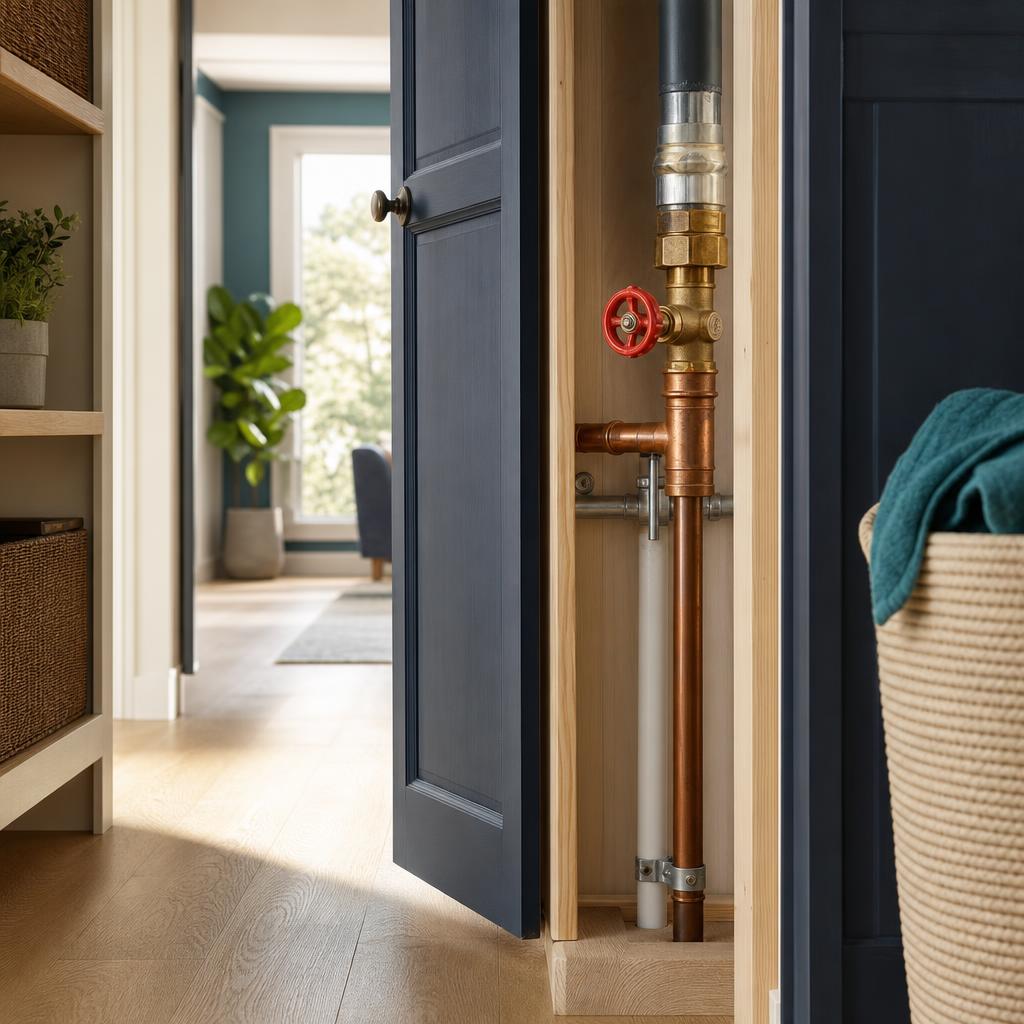
Illustrative AI-generated image, not a photograph of local work or a provider.
A plumbing guide is most useful when it helps a homeowner notice conditions, ask better questions, and stay within safe limits. This Manotick-focused reference covers everyday fixtures, water management, seasonal preparation, renovation planning, and service requests. It is educational rather than a diagnosis, code interpretation, or promise of local service. ManotickPlumber.com does not claim an operating provider, licensed team, coverage area beyond its information focus, price, guarantee, emergency dispatch, review, or local job history. Use the service request route only for a non-emergency request for contact.
Map the plumbing in your home
Walk through the home when everything is dry and identify the main water shutoff, fixture isolation valves, water heater shutoff, sump pit, floor drains, and accessible cleanouts. Take labelled photographs without removing covers. Note which valve affects which fixture and keep the path clear. If a valve is stiff, do not force it; a failed valve during a leak can make the situation harder to control.
A simple home map helps distinguish supply, drainage, and water-management concerns. Supply pipes bring water under pressure; traps retain water to limit odours; drains rely on slope and venting; a sump system handles a different source of water than a sewer line. The plumbing services overview gives these categories more context. Never treat a diagram as permission to open pressurized, gas, or electrical equipment.
Kitchen and bathroom habits
Use strainers where appropriate, keep grease and fibrous waste out of drains, and follow appliance instructions. A slow drain is a signal, not an invitation to pour repeated harsh chemicals into the line. Under-sink cupboards should remain dry and accessible; check for dampness without placing hands near an energized appliance or damaged wiring. A small record of when the symptom appears can reveal whether it follows dishwasher use or another fixture.
Bathrooms benefit from attention to movement and moisture. A toilet that rocks can stress its connection, while failed caulking may allow water behind finishes without causing a visible leak. Avoid flushing wipes, fats, medicines, or unsuitable objects. For fixture changes, measure before shopping and read the bathroom plumbing guidance. A product that fits a photograph may not fit the existing drain, supply, wall, or shutoff arrangement.
Drains, traps, and recurring problems
A trap normally contains water, but odour, gurgling, slow flow, and backup can have different causes. If one basin is slow, the issue may be close to that fixture; if several fixtures change together, note the pattern and avoid repeatedly clearing only the nearest drain. Keep children away from standing water and do not mix cleaning products. Tell a professional exactly what was used and when.
Mechanical clearing, inspection, repair, and replacement address different situations. A recurring blockage may involve buildup, an object, pipe condition, venting, or a larger drainage fault. The drain cleaning resource explains why recurrence matters. A homeowner can observe and report; cutting pipe, using powered equipment, or opening a concealed line belongs in a properly assessed scope with appropriate safety controls.
Water heaters and household demand
Count the household’s hot-water pattern rather than assuming a larger unit is always better. Note whether the problem is a sudden loss, gradual shortage, temperature fluctuation, noise, or visible water. Check only accessible external signs. A tank leak, hot discharge, gas odour, or electrical concern deserves prompt professional attention; keep clear of hot water and equipment panels.
A replacement conversation should include location, access, capacity, energy source, connections, drainage, controls, and future use. Do not promise yourself a saving or service life based on a generic article. The water heater page lists useful questions, and the provider must confirm suitability and any applicable requirements. Keep manuals and model information where a future assessment can find them.
Basement and exterior water routes
In lower levels, separate groundwater, surface water, appliance discharge, and sewer backup as possible sources. Look for patterns after rain, thaw, laundry use, or a pump cycle. Keep the sump pit lid and pump area accessible, and check that a discharge outlet is visibly open and not creating a hazard. Do not test a pump by filling a pit beyond what you can safely control, and never work in water near electricity.
Backwater valves, sump pumps, grading, downspouts, and drainage connections address different risks. No single product protects against every water entry path. Read about basement flood protection and backwater valves before deciding what question to ask. Product suitability depends on the actual layout; this guide does not promise prevention or interpret a site-specific requirement.
Seasonal preparation
Before cold weather, locate exposed or vulnerable piping, close and drain seasonal outdoor supplies where appropriate, and protect areas from drafts without blocking required ventilation. Never use a flame, torch, or improvised heater to thaw a pipe. If a pipe may be frozen, know where the shutoff is, keep people away from damaged sections, and obtain safe professional guidance before warming anything.
Before spring thaw and heavy rain, review sump operation, discharge, alarms, backup power arrangements, and storage near the pit. Seasonal checks should be observations, not risky experiments. The winter plumbing guide expands on freeze prevention and what to do when a fixture stops working. Weather does not make an information site an emergency service, so plan contacts before conditions become urgent.
Renovation and fixture selection
Plumbing should enter a renovation conversation before cabinets, tile, framing, and finishes are fixed. Draw fixture locations, access panels, shutoffs, drain routes, appliance connections, and likely maintenance space. A beautiful plan can fail if a valve becomes inaccessible or a drain route conflicts with structure. Share product specifications, not just marketing names, and confirm who supplies and stores each fixture.
Ask for a written scope and coordination sequence. Existing work may differ from drawings, and discoveries should be documented before the plan changes. The renovation plumbing page provides a planning checklist. Requirements vary with the work and jurisdiction; do not rely on an online article to claim that a permit, inspection, or method is universally required or unnecessary.
Think about maintenance while selecting a fixture, not only appearance. Leave room to reach stops and cleanouts, confirm that cartridges or seals can be replaced, and ask how a future owner would isolate the component. A concealed connection may look tidy on move-in day but create unnecessary disruption later. Explain preferences about water shutoff access, noise, finish protection, and the order of work before the products are ordered. These are planning considerations rather than promises about performance. The final choice should account for the existing home, manufacturer instructions, qualified installation, and any requirements that apply to the project.
When to request qualified help
Seek qualified assessment for concealed leaks, repeated backups, damaged or inaccessible shutoffs, water-heater faults, pump failure, gas or fuel concerns, and work involving structural access or electrical equipment. Share observations and stop unsafe experiments. In a non-emergency request, include location, timing, photos, model details, access, and what has already happened.
The site’s request service form is a contact pathway, not a guarantee that a provider will accept work or respond immediately. Verify the responding business, qualifications, insurance, scope, price, and timing yourself. For immediate danger or uncontrolled flooding, leave the hazard as appropriate and contact emergency resources or a preferred emergency provider rather than waiting for a website response.
A seasonal review is also a chance to make the home easier to understand. Mark the main shutoff without obscuring it, keep equipment labels readable, and make sure an adult household member knows what to do if water begins escaping. Store photos and manuals somewhere they remain available if a basement area is wet. Consider which fixtures are essential, which valves are difficult to reach, and which rooms contain valuable finishes. Sharing those priorities in a request can help a provider plan access and explain trade-offs. It does not make a remote diagnosis possible, and it should not lead a homeowner to bypass a safety check. A calm record is more useful than a rushed assumption.
Questions about plumbing guide for manotick homeowners
What can I safely check myself?
You can observe symptoms, locate accessible shutoffs, photograph labels, clear access, and record timing. Avoid opening pressurized, fuel, electrical, or concealed systems and never use flame to thaw piping.
How often should I inspect plumbing?
A quick visual check of accessible fixtures and equipment before wet or cold seasons is sensible. The appropriate schedule depends on the home, equipment, age, and observed conditions.
Does a sump pump prevent all basement flooding?
No. A sump system addresses one water route, while sewer backup, surface water, discharge, power loss, and equipment failure involve other risks. A site-specific assessment is needed.
Does this guide interpret local requirements?
No. It offers general education and makes no universal code or permit claim. Ask a qualified provider and the relevant authority about requirements for your specific work.
Is the service request form for urgent plumbing?
No. It is not emergency dispatch. For immediate danger, gas odour, uncontrolled water, or electrical hazards, prioritize safety and contact the appropriate emergency resource.