
Plumbing Repair in Manotick: what to know before the next step
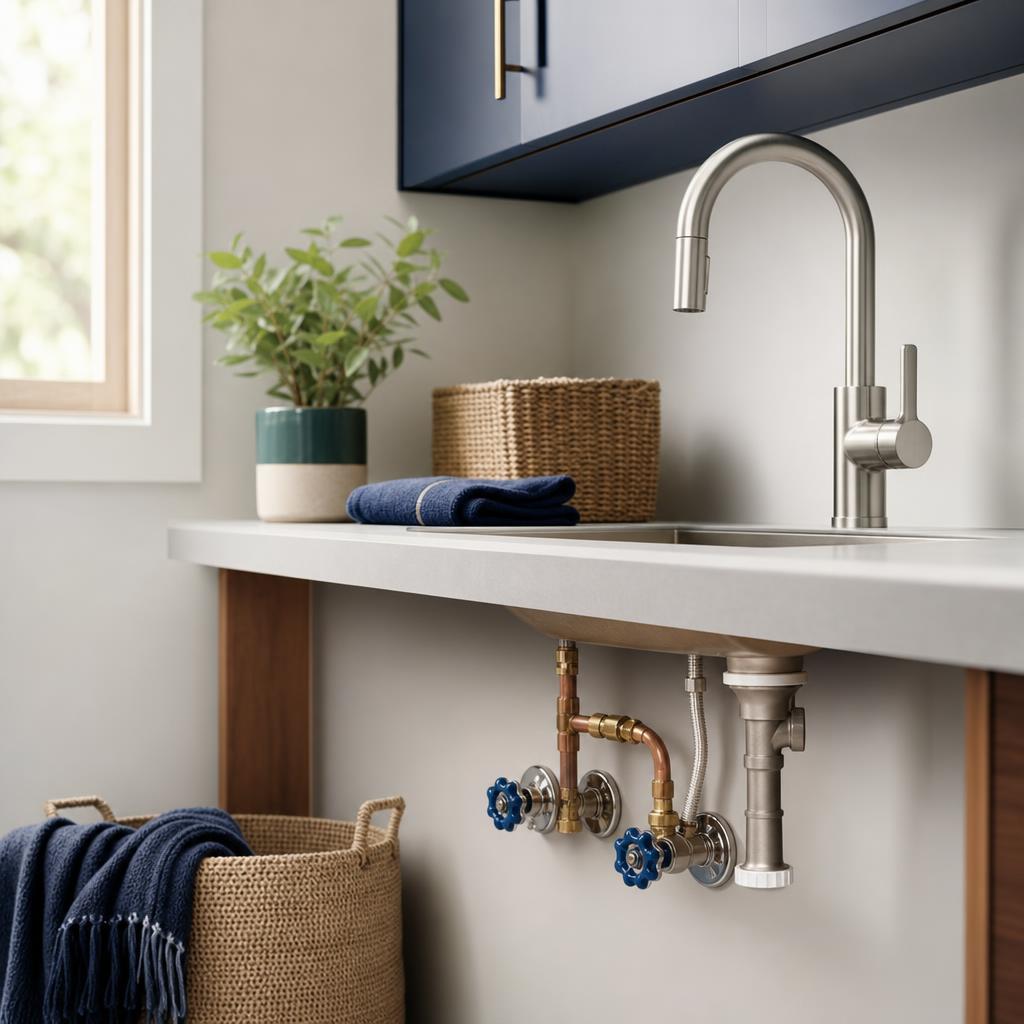
Illustrative AI-generated image, not a photograph of local work or a provider.
Plumbing repair in Manotick starts with understanding the symptom, protecting the home, and choosing a proportionate next step. This educational guide covers leaks, fixtures, valves, pressure, and hidden damage without pretending that a web page can diagnose a particular property. Describe what you see through the service request form, and use the information below to prepare useful questions for a qualified provider. ManotickPlumber.com is an information and service-request resource, not a plumbing contractor; availability, qualifications, scope, and terms must be confirmed directly before work.
Start with the symptom, not a guessed solution
A plumbing repair becomes easier to assess when you record the exact symptom. Note whether water appears continuously or only when a fixture runs, whether the water is clear or discoloured, and whether a drain backs up at the same time. A photograph, the location of nearby shutoffs, and the age of an appliance can be more useful than naming a replacement part. Slow changes matter too: a tap that drips after closing, a toilet that refills periodically, or a ceiling stain that grows after rain each points to a different investigation.
Avoid dismantling a wall, tightening an unfamiliar fitting aggressively, or replacing a part before the source is known. A visible puddle may originate above, behind, or inside a cabinet, while condensation can resemble a supply leak. The plumbing repair service overview explains common categories without promising that every issue is covered. For a genuine diagnosis, a provider needs to inspect the accessible plumbing and understand what changed, when it changed, and what attempts have already been made.
Immediate steps for a leak
If water is escaping, move belongings away and place a container or towels beneath the drip if doing so is safe. Close the fixture stop valve for a toilet or sink, or the home’s main shutoff if the local valve is missing or ineffective. Open a cold tap briefly after shutting the main supply to reduce residual pressure. Keep water away from electrical equipment and do not enter a flooded area where electrical hazards may exist. These are containment steps, not a substitute for assessment.
A burst pipe, rapidly spreading ceiling stain, or water near electrical equipment warrants urgent attention from the homeowner’s chosen emergency resources. This site does not dispatch emergency help or represent that a provider is available at any particular time. Once the situation is stable, the basement flood protection guide can help you think about vulnerable fixtures, sump equipment, and drainage paths. Keep receipts and photographs if an insurer may need a record, but do not delay safe shutoff while documenting.
Faucets, toilets, and fixture connections
A dripping faucet commonly involves a worn cartridge, washer, seal, or aerator, but the correct part depends on the design and manufacturer. A toilet may run because of a flapper, fill valve, float adjustment, supply connection, or mineral buildup. Repeatedly turning a plastic connection or overtightening a packing nut can crack a component. Before requesting help, note the fixture brand if visible, whether the leak occurs while operating it, and whether the cabinet or floor has softened. Our Ottawa faucet repair guide explains how to record these symptoms and compare repair with replacement.
Replacing a fixture is not always better than repairing one, and a new fixture is not automatically compatible with an existing rough-in or shutoff. The bathroom plumbing page discusses fixture connections and access, while the kitchen plumbing page covers sinks, dishwashers, and filtration connections. Those pages are educational routes, not endorsements of a particular product. Ask for an explanation of compatibility, isolation, testing, and what happens if the concealed connection shows additional damage.
Pipe joints, valves, and hidden leaks
Supply pipes, branch lines, traps, shutoff valves, and hose connections all age differently. A joint can seep only when pressure rises; a drain trap can leak only while water is flowing; a valve can stop sealing after years without movement. Stains, swollen cabinetry, peeling paint, musty odour, warm spots, or unexplained water use deserve attention even when no active drip is visible. Do not assume a dry surface means the cavity is dry.
Access is part of the repair decision. An accessible compression fitting may be treated differently from a pipe behind tile or a connection below a finished floor. Ask what area must be opened, how the water will be isolated, how the repaired section will be tested, and whether drying is a separate concern. The renovation plumbing guide offers planning ideas for access before walls close, which can reduce future disruption without claiming that every concealed repair is avoidable.
Water pressure and temperature clues
Pressure that suddenly falls may reflect a partially closed valve, a clogged aerator, a failing pressure-reducing component, a leak, or a wider supply issue. High pressure can stress fixtures and appliances, while pressure variation at only one tap may be local rather than a whole-home problem. Temperature swings can involve a mixing valve, heater performance, flow restriction, or simultaneous demand. Record which fixtures are affected and whether the problem changes when another tap opens.
Do not adjust unknown controls simply to chase a reading. A pressure gauge can provide useful information, but one measurement does not establish a diagnosis and readings vary with demand. Water-heater symptoms deserve their own investigation; see water heater information for questions about leaks, recovery, and replacement decisions. A provider should distinguish a fixture-side restriction from a building-wide condition and explain what was observed rather than presenting a guess as certainty.
Drains and recurring repairs
A recurring clog is a pattern, not merely an invitation to pour more chemical cleaner down a drain. Hair, grease, soap residue, foreign objects, scale, poor flow, and a deeper line obstruction require different approaches. If several fixtures slow together, gurgle, or back up when a toilet flushes, record the relationship and stop adding water until the risk is understood. Do not mix drain products; chemical exposure can injure people and complicate later work.
A one-time clearing may restore flow while a recurring restriction remains. The drain cleaning guide explains questions about location, recurrence, and safe preparation. If wastewater has entered a basement, keep people and pets away from contamination and follow appropriate cleanup advice. Plumbing and restoration are related but not identical scopes, so ask who handles drying, damaged materials, and sanitation before assuming one request includes all three.
Repair planning in an occupied home
Good repair planning includes access, water isolation, protection of finished surfaces, and a test plan. Clear the cabinet or room, secure pets, and identify shutoffs before the visit. Explain which fixtures cannot be out of service for long, whether anyone has mobility or health considerations, and whether previous work is still under warranty from another party. These practical details help a provider propose a realistic sequence instead of improvising around obstacles.
A written scope should identify the reported problem, proposed work, materials or assumptions, access expectations, and exclusions. Ask how changes will be communicated if concealed conditions appear. This resource does not publish universal prices, guarantee outcomes, or claim an operating provider; costs vary with access, parts, labour, and complexity. The cost factors guide can help organize questions without replacing a property-specific quotation.
Safety, documentation, and informed decisions
Homeowners can safely observe, isolate water when they know the correct valve, and describe symptoms; specialized repairs may require tools, testing, and knowledge of plumbing, electrical, combustion, or building interfaces. Never open a gas appliance, bypass a safety control, use an open flame to thaw a pipe, or work near energized water-damaged equipment. When a repair involves a water heater or pump, make sure the provider explains any separate electrical or fuel boundary.
Keep a simple timeline of the symptom, shutoff actions, photos, receipts, and conversations. Ask what was tested and what remains uncertain. You can use the home plumbing checklist to prepare, then submit only the information you are comfortable sharing through the request route. The site is informational and does not verify every provider’s licence, insurance, municipal approval, or appointment availability; confirm those matters directly before authorizing work.
Questions about plumbing repair in manotick
What should I do first when a pipe or fitting leaks?
If safe, close the nearest fixture valve or the main shutoff, move valuables away, and keep water from electrical equipment. Take a photo after containment and seek appropriate professional guidance. Do not dismantle a concealed connection or enter an electrically unsafe flooded area.
Can a small drip really cause significant damage?
Yes. Repeated moisture can swell cabinetry, damage flooring, encourage mould growth, and affect concealed framing. The rate and consequences depend on location, duration, materials, and ventilation, so a small visible drip should not be dismissed merely because a towel catches it.
Should I use plumber’s tape on every leaking joint?
No. Tape is intended for particular threaded connections and cannot repair a cracked fitting, failed washer, compression seal, or drain gasket. Applying it to the wrong joint can hide the symptom or make later disassembly harder. Identify the connection type before attempting a repair.
Does this site provide emergency plumbing dispatch?
No. ManotickPlumber.com provides plumbing information and a service-request route; it does not promise emergency dispatch, continuous availability, or a specific operating provider. For immediate danger or active flooding, use your preferred emergency resources and follow safe shutoff guidance.
How can I make a repair request more useful?
Include the fixture or room, symptom, timing, photos if appropriate, known shutoff location, prior attempts, and whether other fixtures are affected. Do not claim a diagnosis you cannot confirm. Clear observations help a qualified provider ask better follow-up questions.