
Plumbing Costs in Manotick: what to know before the next step
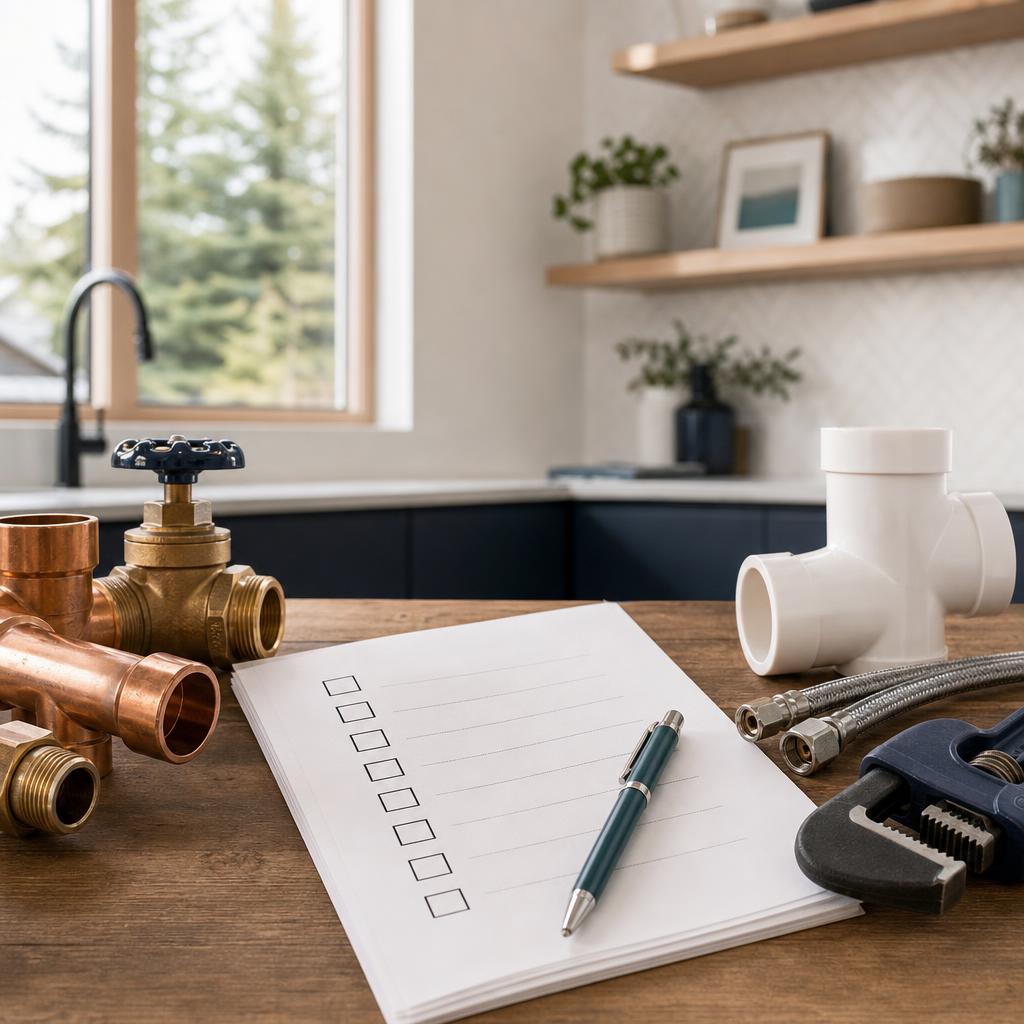
Illustrative AI-generated image, not a photograph of local work or a provider.
Plumbing cost in Manotick cannot be reduced to one universal number. The useful question is what affects the scope: diagnosis, access, materials, labour time, site protection, coordination, and any follow-up. This guide helps homeowners prepare a fair, specific conversation without publishing invented prices or implying a quote. ManotickPlumber.com is an information and service-request resource, not an operating plumbing provider. Begin with the request form, and review the water softener cost guide if you are considering treatment equipment. Then confirm provider identity, availability, qualifications, scope, and pricing directly.
Why plumbing estimates vary
Two homes can report “a leaking sink” and require very different work. One may need a reachable washer or connection; another may have corrosion, a concealed leak, damaged cabinet material, or a drainage problem behind the symptom. Distance and timing may affect a provider’s process, while access and protection affect the time spent on site. A responsible estimate states what is known, what is assumed, and what could change after inspection.
A low first number is not necessarily the lower total cost if it excludes diagnosis, disposal, materials, restoration, or testing. A high number is not automatically more thorough. Ask for an itemized explanation and compare like with like. The plumbing services overview helps identify whether a request is primarily a repair, drain, water-heater, basement, kitchen, bathroom, or renovation question.
Diagnosis is valuable work
Finding the source may involve observing the fixture in operation, tracing moisture, checking accessible connections, considering drainage behaviour, and separating one fault from another. Diagnosis is especially important when water appears far from the origin or when several fixtures show related symptoms. Explain whether the charge is for assessment only, credited toward approved work, or handled another way; never assume a policy.
Prepare details that make diagnosis efficient: when the issue occurs, what has already been tried, whether weather changes it, and whether a valve can isolate it. Do not conceal a chemical drain product, a temporary clamp, or a previous repair. For a recurring blockage, read about drain cleaning rather than paying repeatedly for an unexplained surface treatment. The cause and the proposed remedy should be connected in plain language.
Access and finished spaces
Access can be a major part of scope. A valve in an open basement is different from one behind cabinetry, tile, flooring, or a sealed wall. Moving contents, protecting finished surfaces, opening a limited area, and cleaning up can affect time. Tell the provider about narrow stairs, parking constraints, pets, and rooms that must remain usable. Photos of the whole area help identify access questions before an appointment.
Do not open walls or remove cabinets just to obtain a lower estimate unless a qualified person has explained why it is necessary and safe. Ask whether exploratory access is included, who handles patching, and whether another trade must restore finishes. Bathroom plumbing and kitchen plumbing often involve finished surfaces, while a basement mechanical area may offer more direct access. Each scope should say what is excluded.
Materials, compatibility, and longevity
Material cost is not simply a matter of choosing the cheapest fitting. Compatibility with existing pipe, pressure, temperature, dimensions, manufacturer instructions, and available space all matter. A replacement faucet may require a different supply arrangement; a water heater may require changes to connections or controls. Ask for the product specification, allowance, or selection responsibility and keep receipts and manuals for your records.
A repair can be sensible when the surrounding system is sound and access is straightforward. Replacement may make more sense where corrosion, repeated failure, obsolete parts, or changing household demand make another repair short-lived. For a water heater assessment, ask about capacity, location, disposal, safety controls, and what the estimate assumes. No article can promise service life, savings, or a particular payback period.
Emergency premiums and urgent decisions
Urgent conditions can reduce choice and increase disruption. If water is escaping, first protect people, isolate water when safe, and move valuables. A request form on this site is not an emergency dispatch service and does not promise immediate response. For danger, gas odour, uncontrolled flooding, or an electrical hazard near water, use appropriate emergency resources rather than waiting for an online reply.
When a situation is contained, ask what is needed immediately and what can be planned later. A temporary measure should be identified as temporary, with its limits and follow-up stated. Avoid agreeing to unrelated upgrades while stressed unless the need is clearly explained. The winter plumbing guide covers prevention and safe seasonal preparation, not emergency guarantees or universal recommendations.
Renovation budgets and change orders
Renovation plumbing is easiest to budget before walls close. Confirm fixture locations, rough-in assumptions, drain and vent routes, appliance connections, shutoff access, and coordination with framing, electrical, cabinetry, and finishes. A written scope should identify who supplies fixtures, who disposes of old material, and what happens if existing work differs from drawings. Early plumbing input can prevent a beautiful layout from becoming an expensive revision.
Keep a contingency for genuinely unknown conditions, but do not accept an undefined blank cheque. Ask how discoveries are documented, whether work pauses for approval, and how pricing changes are communicated. The renovation plumbing page offers planning questions. The site does not know your property’s hidden conditions and cannot estimate them from a keyword; a qualified provider must inspect and explain the actual scope.
Comparing proposals responsibly
Compare the same facts: labour basis, diagnostic fee, materials, taxes, disposal, access openings, testing, cleanup, warranty language, and exclusions. Confirm whether the proposal covers one fixture or a connected system. Ask for the expected sequence and whether water will be unavailable. Keep communication in writing when the scope changes, and do not confuse a manufacturer warranty with a contractor’s workmanship commitment.
A provider’s qualifications and insurance are important questions, but this resource does not verify or endorse a particular business. Check the identity of whoever responds, ask which work they are authorized and qualified to perform, and verify any required documentation with the relevant authority. The Manotick plumbing guide can help organize questions, while the actual agreement remains between homeowner and provider.
Ways homeowners can reduce avoidable cost
Prevention is practical when it is proportionate. Know shutoff locations, replace visibly deteriorated hoses through an appropriate professional process, keep access panels clear, avoid flushing unsuitable items, and address slow drains before they overflow. Test a sump arrangement only within safe limits and keep records of equipment. These steps do not guarantee prevention, but they can make a problem easier to isolate and reduce damage.
Avoid buying a fixture before checking compatibility, paying for repeated chemical drain treatments, or requesting an oversized upgrade without a reason. Gather model numbers and photographs, but do not dismantle fuel, electrical, or pressurized equipment. If you need to request help, describe the facts through service request and ask what information is needed before travel or work is arranged. Clarity is usually more useful than urgency-driven guesswork.
A useful household file can reduce uncertainty at the next visit. Keep the date of a repair, the product model, photographs before finishes are closed, shutoff locations, and any instructions supplied by the provider. Record whether a problem is isolated or recurring and whether it follows rain, laundry, or a change in occupancy. This is not a substitute for inspection, but it prevents a future conversation from starting with guesses. It also helps a homeowner distinguish a new symptom from a known limitation. Never treat old notes as proof that a current leak has the same cause; water can travel and components can deteriorate. Share relevant records honestly, including temporary fixes or products used, so the scope and safety plan reflect actual conditions.
Questions about plumbing costs in manotick
How much does a plumber cost in Manotick?
There is no universal price. Cost depends on diagnosis, access, labour, materials, timing, property conditions, and scope. This page intentionally does not invent a price or substitute for a provider’s written estimate.
What should an estimate include?
Ask about diagnosis, labour basis, materials, taxes, access, disposal, testing, cleanup, exclusions, warranty language, and change approval. Confirm whether the estimate is for a repair, replacement, or assessment only.
Can a photo produce an accurate quote?
Photos can improve an initial conversation but cannot reveal concealed conditions, compatibility, access, or active behaviour. A provider may need an assessment before giving a reliable scope.
How can I avoid surprise costs?
Describe the issue honestly, provide access information, request written inclusions and exclusions, ask how discoveries are priced, and approve changes before additional work where circumstances allow.
Does the site offer emergency pricing or dispatch?
No. The site is an information and service-request resource, and its form is not emergency dispatch. Use appropriate emergency resources for immediate danger or uncontrolled flooding.