Plumbing Services in Manotick: what to know before the next step
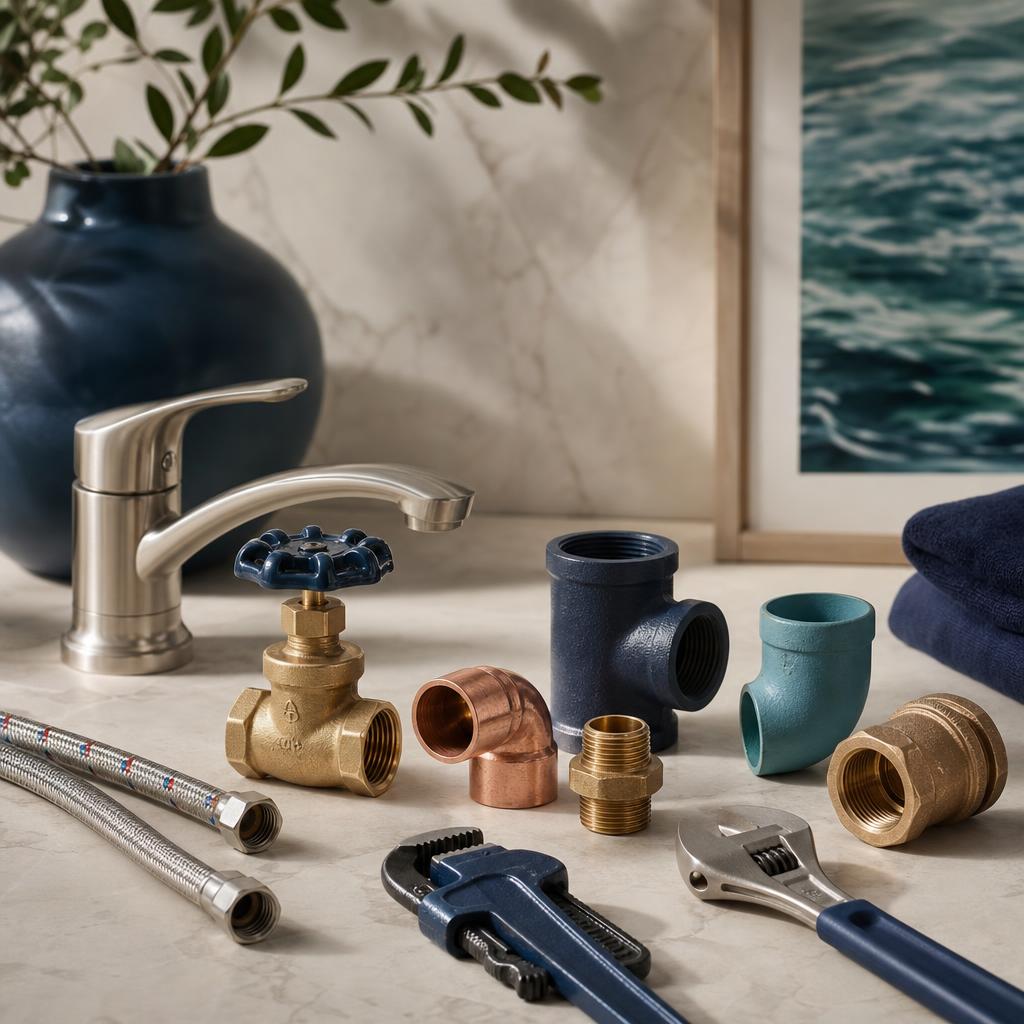
Illustrative AI-generated image, not a photograph of local work or a provider.
Choosing plumbing help is easier when the problem is described clearly. This Manotick homeowner resource explains common residential plumbing services, what an assessment can establish, how to prepare, and which questions are worth asking before work begins. ManotickPlumber.com is an information and service-request resource, not a plumbing contractor. It does not claim a particular provider, crew, licence, availability, price, emergency response, or local job history. Use the service request page to share your situation so provider details can be confirmed directly.
Start with the symptom, not a product
A good plumbing conversation begins with what you can observe: a faucet that drips after closing, a toilet that refills unexpectedly, a drain that slows at a particular time, or a basement pump that runs more often than usual. Note when the symptom began, whether it is getting worse, and what else operates at the same time. A short video, a photo of a fitting, and the location of the nearest shutoff can save time without requiring you to dismantle anything.
The visible symptom may not identify the cause. A wet cabinet can involve a supply connection, trap, dishwasher hose, or water travelling from above. A bubbling drain can relate to a local obstruction or a wider drainage problem. Describe facts rather than diagnosing the fault. The plumbing repair guide and drain cleaning information explain why a careful assessment is more useful than a quick product recommendation.
Repairs and maintenance are different decisions
A repair restores a component that is leaking, blocked, loose, noisy, or performing poorly. Maintenance is planned attention intended to find deterioration or keep equipment ready, such as checking accessible valves, cleaning a faucet aerator, or testing a sump pump in a safe, controlled way. Replacement is another decision altogether: the component may be beyond economical repair, incompatible with an update, or no longer suited to the household. Ask which evidence supports each option.
A homeowner does not need to accept a vague “whole system” answer. Request a plain description of the affected part, the work included, the access required, and any assumptions. If a water heater assessment or sump pump review is being considered, gather the model label and note unusual sounds or cycling. Do not remove covers, disturb gas connections, or test electrical parts unless the manufacturer and a qualified professional make that appropriate.
Kitchen plumbing deserves a complete look
Kitchen problems often involve several connected parts. A sink trap holds water to limit sewer odours, supply stops isolate the faucet, a dishwasher depends on correctly arranged water and drain connections, and a filtration device adds its own fittings. A small leak under the sink can damage cabinet flooring before it becomes obvious. Keep the cupboard clear, place a container beneath a suspected drip only if safe, and close the local valve when water continues to escape.
New fixtures are not automatically compatible because their finish or dimensions look similar. Before buying, check connection size, mounting-hole arrangement, spout reach, drain requirements, and whether an appliance needs a dedicated arrangement. The kitchen plumbing page covers these planning questions. For a renovation, early coordination through renovation plumbing guidance can prevent a sink, dishwasher, or island location from being chosen before drainage and access are understood.
Bathroom and laundry symptoms
In a bathroom, a toilet that rocks, a shower that loses pressure, a vanity drain that smells, and a faucet that will not shut off are separate clues. Avoid forcing a seized handle or repeatedly flushing a toilet that is close to overflowing. Turn off the fixture valve where one exists, keep the area dry, and record whether the issue is isolated or affects several fixtures. Household cleaning products can also affect seals and should be used according to their labels.
Laundry rooms combine water supply, drainage, vibration, and sometimes a floor drain in a small area. A washing machine hose should not be treated as permanent simply because it has not leaked yet; look for bulges, cracking, and stressed connections. Keep the standpipe and floor drain accessible. For a broader discussion of bathroom plumbing options, include the fixture age, any renovation plans, and whether the room must remain usable while work is planned.
Below-grade water management
A sump pump is one part of a basement water strategy. The pit, pump, float or sensor, check valve, discharge route, power supply, and backup plan all affect the result. Before wet weather, confirm that the pump can activate without flooding the area, that the discharge is not visibly obstructed, and that the outlet arrangement is safe. Never reach into a pit with power connected, and do not rely on a test that creates more water than the system can safely handle.
Sewer backup protection is also dependent on the existing drainage layout. A backwater valve is not a guarantee against every source of basement water, and its access and maintenance needs matter. Finished basements deserve special attention because a small failure can affect flooring and stored belongings quickly. Compare backwater valve information with the layered approach described in basement flood protection, then ask which risk each proposed measure addresses.
Water heaters and hot-water planning
Hot-water complaints can mean insufficient capacity, a failed heating component, a mixing or control issue, sediment, a leak, or simply a changed household routine. Write down how long hot water lasts, whether the issue affects every fixture, and whether temperature changes are sudden. A leaking tank or connection should not be ignored. If safe, use the unit’s water shutoff and keep people away from hot discharge; do not open panels or alter fuel controls without qualified guidance.
Replacement planning should include location, access, venting or electrical requirements, drainage, household demand, and future changes—not just the tank label. Ask for the scope and for items that depend on other trades. The water heater guide is educational and does not publish universal prices or promise a particular technology. A provider’s suitability, credentials, permits where applicable, and warranty terms must be confirmed independently before authorizing work.
How to prepare for a request
A useful request includes the property type, fixture location, symptom, timing, previous attempts, visible water damage, and whether water can be isolated. Mention pets, finished surfaces, narrow access, and upcoming renovation dates. Photographs should show the whole context as well as the close-up label or fitting. Do not send unnecessary personal information. The cost guide explains why scope, access, materials, and complexity influence a quote.
Before anyone attends, decide what access can be provided and move valuables away from the work area. Ask how the visit is handled, who would perform work, what is included in an estimate, and how changes are approved. This site’s form is a request for contact, not an emergency dispatch channel. For active flooding, gas odour, unsafe electrical conditions, or a situation that threatens people, leave the area as appropriate and contact the relevant emergency service or your preferred emergency plumbing provider.
A practical decision checklist
Use four questions to compare options: What failed or is at risk? Is the proposed work temporary, corrective, or an upgrade? What could be discovered after access is opened? What maintenance or follow-up will the homeowner own? These questions apply equally to a leaking valve and a large renovation. They encourage a proportionate response rather than choosing the most expensive or the quickest-looking route.
Keep records of product names, shutoff locations, photos, invoices, and instructions. Labeling a valve can help the next household member, but label it only after confirming what it controls. Learn where the main water shutoff is and make sure it can be reached. If you need to compare topics, the Manotick plumbing guide brings together seasonal checks, household preparation, and questions to ask without suggesting that every home needs the same work.
Questions about plumbing services in manotick
Does this site provide plumbing service directly?
No. ManotickPlumber.com provides local plumbing information and a service-request pathway. A provider relationship, availability, qualifications, pricing, and scope must be confirmed directly before work is scheduled.
Should I request repair or replacement?
Describe the symptom and ask for an assessment. Age, condition, access, compatibility, repeated failures, and the cost and disruption of each option all matter; an article cannot determine the right choice for a particular home.
What information helps with a plumbing request?
Share the fixture location, symptom, timing, photographs, model label where relevant, shutoff status, previous attempts, access constraints, and any water damage. Avoid unsafe testing or dismantling.
Can I use the request form for an emergency?
No. It is not an emergency dispatch form. For immediate danger, flooding that cannot be controlled, gas odour, or unsafe electrical conditions, prioritize safety and contact appropriate emergency resources or a preferred emergency provider.
Are local code or permit requirements explained here?
No universal claim is made. Requirements depend on the work and jurisdiction and can change. Ask the qualified provider or the relevant authority which requirements apply before work begins.