
Frozen Pipes in Manotick: what to know before the next step
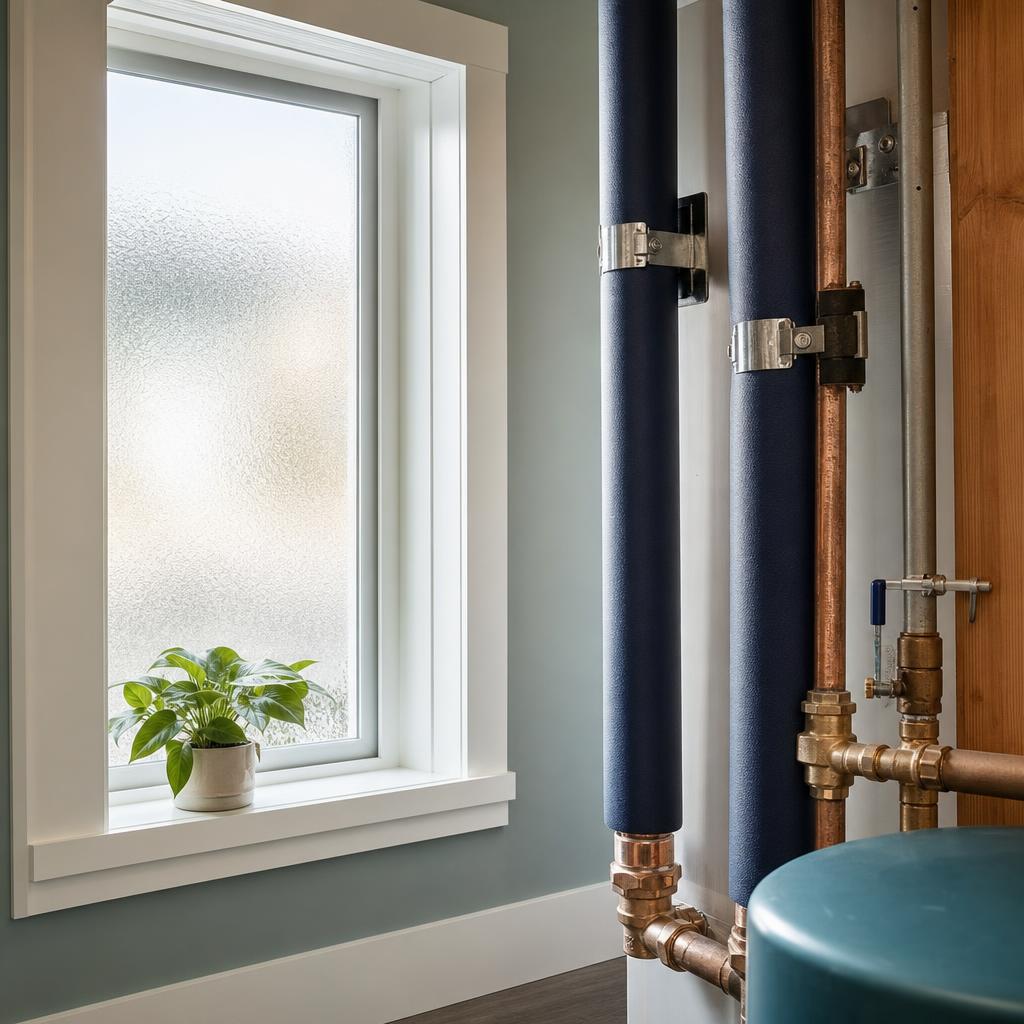
Illustrative AI-generated image, not a photograph of local work or a provider.
Frozen pipes are a winter plumbing problem, but they are also a water-damage and personal-safety problem. A small reduction in flow may be the first clue that ice is restricting a line; a pipe can split while frozen and release water when it thaws. This guide is educational information for Manotick homeowners, not a promise of emergency dispatch or a substitute for an on-site assessment. If water is escaping, electricity is involved, or you cannot safely reach a shutoff, leave the area and contact an appropriate emergency service or qualified plumbing provider. For broader seasonal planning, compare this page with the winter plumbing checklist and the plumbing repair guide.
Why freezing creates a plumbing emergency
Water expands as it freezes. The ice itself is not always the point that bursts; pressure can build between the ice and a closed faucet, stressing a weak joint, valve, or section of pipe. That is why a line can appear quiet during a cold spell and then leak as temperatures rise. Pipes against an exterior wall, in a crawlspace, garage, ceiling void, or poorly protected utility area deserve attention, especially where warm household air cannot circulate.
A frozen line is not automatically a disaster, and a silent line is not automatically safe. Treat the symptom as a reason to inspect carefully rather than as an invitation to dismantle walls. A plumbing repair request can communicate the affected fixture, recent weather, visible frost, and whether other fixtures still have flow. Those details help a provider decide what information is useful before anyone works on the system.
Warning signs worth noticing
The obvious sign is a faucet that produces a trickle or nothing at all, but clues can be less direct. A toilet tank may refill slowly, a refrigerator supply may stop, or one bathroom may lose cold water while another remains normal. Frost, bulging insulation, damp drywall, an unusual hiss, or a pipe that knocks during thawing also merits attention. Do not assume the trouble is local if several fixtures change at once; a main or branch line may be involved.
Record what changed and when. Note the last normal use, the rooms affected, outdoor temperature, and any recent renovation or draft. Check accessible cupboards and utility rooms with a flashlight, without pulling insulation apart or entering an unsafe crawlspace. If a drain is involved rather than a supply line, use the separate drain cleaning information; a blocked drain has different hazards and should not be treated as a frozen supply pipe.
Find and use shutoffs carefully
Every household benefits from knowing the main water shutoff before winter arrives. It may be near where the service enters, beside a water meter, or in a utility area, but layouts differ. Confirm which direction closes it without forcing a corroded handle. If a pipe has burst or water is spreading, close the main shutoff if it is accessible and safe, then open a cold faucet only if doing so does not expose you to water near electrical equipment.
Individual fixture stops can isolate a toilet or faucet, but they do not protect an unseen branch line. Do not use pliers on a stuck valve, remove a meter seal, or guess at a buried control. Take a photo of the valve and describe its position to a qualified professional. A water heater assessment may be relevant if the affected piping is at the heater, but shutting off fuel or power should follow the manufacturer’s instructions and only be done when safe.
Safer thawing principles
If a frozen section is visible, accessible, and there is no sign of a split, gentle warming may sometimes restore flow. Open the affected faucet slightly, improve warm-air circulation, and use only a device designed for safe household warming according to its instructions. Work gradually from the faucet toward the suspected frozen area so expanding water has somewhere to move. Stop immediately if a leak appears, the pipe changes shape, or the surrounding material becomes wet.
Never use a torch, candle, open flame, boiling water, or improvised high-heat device on a pipe. Do not leave a heat source unattended, block an exit, or warm a location containing combustible materials. A hair dryer can present shock and fire risks around water. If access is behind a wall, the frozen portion is unknown, or pressure seems trapped, professional help is safer than aggressive experimentation. Read the home plumbing safety guidance before attempting any minor observation.
What to do when thawing reveals a leak
Thawing can uncover a split that was hidden by ice. If water appears, stop warming, close the main shutoff if safe, move belongings away from the flow, and use towels or a container only where it is safe to do so. Do not touch wet electrical cords, fixtures, or panels. Photograph the location from a dry position for your records, and tell the responding provider whether the supply is isolated and which rooms are affected.
Water damage can continue inside insulation and finishes after the visible drip stops. Ventilation, documentation, and timely advice matter, but do not cut walls or ceilings unless directed by someone qualified and you understand the risk. If the issue is near a basement floor or sump basin, the basement flood protection guide explains why a sump system cannot replace stopping a pressurized supply leak.
Preventing the next freeze
Before cold weather, disconnect garden hoses, close and drain accessible exterior-tap lines where the arrangement permits, and check that indoor shutoffs are not hidden behind stored items. Seal drafts around penetrations without blocking required vents. Keep cabinet doors open only when advised for the particular layout, and allow safe household heat to reach plumbing on exterior walls. Insulation can reduce exposure but cannot correct every design or ventilation issue.
During a prolonged cold period, keep the home at a consistent safe temperature and ask a trusted person to check it if you travel. Do not rely on a dripping faucet as a universal solution; it may waste water and does not protect every branch. Homes with vulnerable additions, unheated spaces, or recurring freezes need a site-specific plan. A sump pump review is separate but worthwhile before winter because a frozen or obstructed discharge can create another water pathway.
Vacant homes and winter travel
Leaving a property empty changes the risk calculation. Know whether the home’s insurance or maintenance requirements specify a temperature, inspection interval, or shutoff practice, and follow the actual policy rather than internet folklore. Give a trusted person clear access instructions, the location of shutoffs, and permission to report a leak. Keep the heating system maintained and do not turn it off casually in freezing weather.
If you choose to close the water supply for a trip, understand that draining a home is a procedure, not simply turning one handle. Water may remain in traps, heaters, appliances, and low points. A professional can explain what applies to your system. The water heater guide is useful background, while the service request page can capture questions without representing an emergency response channel.
When a professional assessment is sensible
Request qualified help when flow does not return, freezing recurs, a pipe is concealed, a valve will not move, or a leak appears during thaw. Also seek advice when you cannot identify whether the line is potable supply, hydronic heating, sprinkler, or another system. Those systems have different isolation and repair considerations. Share photos only if they can be taken without entering a hazardous space, and never treat an online description as a diagnosis.
A useful request states the symptom rather than demanding a particular part: “the upstairs cold tap stopped after two nights below freezing” is more helpful than “replace the pipe.” Mention shutoff status, visible damage, access restrictions, and whether anyone has used heat. The site is an information and service-request resource, not a named operating provider; availability, credentials, scope, and timing must be confirmed directly with a provider you choose to contact.
Questions about frozen pipes in manotick
Should I turn off the water when a pipe may be frozen?
If a burst is suspected and the shutoff is reachable without danger, closing the main can limit damage. Do not force a valve or approach water near electricity; seek qualified or emergency assistance instead.
Can I thaw a frozen pipe with a torch?
No. Open flames can ignite nearby materials and overheat a pipe. Use only cautious, manufacturer-approved warming when the pipe is visible, accessible, and intact; stop if a leak or unsafe condition appears.
Why is only one faucet affected?
A branch line may be colder or more exposed than the rest of the system. It could also be a fixture stop or aerator issue. Note the pattern and avoid dismantling concealed plumbing without advice.
What should I do if flow returns but a leak appears later?
Close the water supply if safe, protect the area, avoid electrical hazards, and request an assessment. A split can leak inside a wall or cabinet even when the first visible signs are small.
Does this site provide emergency plumbing dispatch?
No. It provides homeowner information and a local copyable draft form, not a provider inbox. For urgent flooding, electrical danger, or immediate property risk, contact appropriate emergency services or your preferred emergency plumbing provider directly.