
Drain cleaning: what to know before the next step
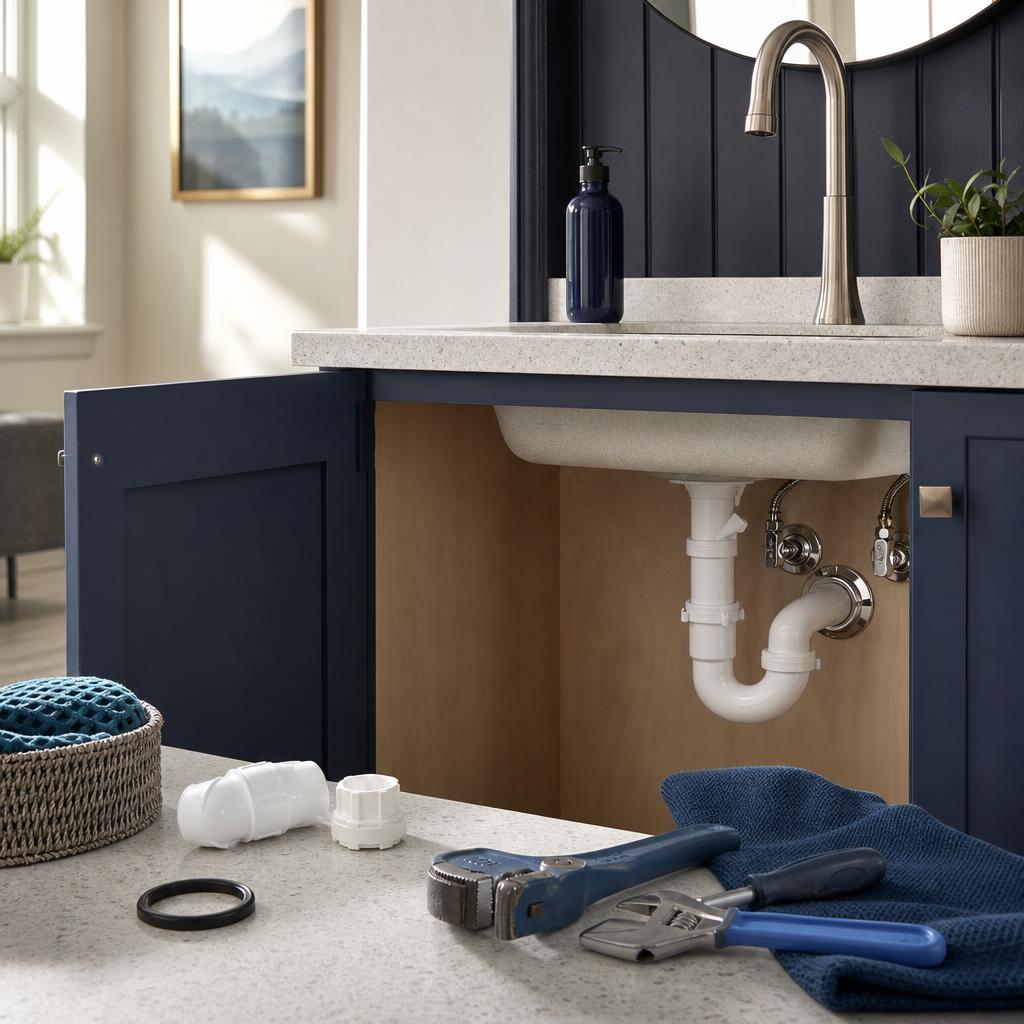
Illustrative AI-generated image, not a photograph of local work or a provider.
A drain is a small part of a larger system: a trap holds water, a branch carries flow, a vent helps balance air, and a building drain carries discharge away. Slow or blocked drainage is therefore a symptom worth understanding, not simply an invitation to add chemicals. This Manotick-focused guide explains practical observations, safer preparation, and questions for a qualified provider. It is educational content from a service-request resource; it does not promise availability, emergency response, licensing, pricing, or a particular result. Start with general plumbing guidance when the symptom is not clearly a drain blockage.
What a slow drain can tell you
A basin that drains slowly on its own often has buildup near the stopper or trap, while a shower may collect hair and soap residue at the strainer or branch. A kitchen sink can accumulate grease, food particles, or detergent-bound debris. If several fixtures slow at once, the restriction may be farther downstream, and a floor drain that gurgles when another fixture discharges can point to a broader flow or venting concern. These patterns are clues, not a remote diagnosis.
Note which fixtures are affected, how quickly water rises, whether plunging changes anything, and whether you hear bubbling or gurgling. Do not pour boiling water into a fixture without considering the pipe and fixture materials, and do not mix cleaners. A short video can show the rate of drainage. If water backs up with sewage, stop using connected fixtures, keep people and pets away, and seek qualified advice rather than repeatedly testing the line.
Safe first steps for a household
Remove visible hair or debris from a stopper only when the area is clean and accessible. A correctly sized plunger can sometimes move a shallow obstruction; use controlled pressure and protect overflow openings as appropriate for the fixture. Stop if the water is contaminated, the fixture is cracked, or force seems likely to damage a seal. Keep a bucket and towels ready, but never assume a bucket can contain a hidden backup that may spread through a floor drain.
Chemical drain openers deserve particular caution. They may fail to reach the obstruction, damage certain materials, remain in standing water, or create a splash hazard for the next person opening the trap. Tell a provider exactly what product was used and when. The plumbing repair page explains why a symptom and repair history matter. Children should not handle plungers or products unsupervised, and ventilation and label directions should always be respected.
Kitchen sink and dishwasher drainage
Kitchen restrictions often develop gradually because small amounts of grease and food residue adhere to a pipe. Grease can move while warm and solidify farther along, so a temporary improvement after hot water is not proof that the line is clear. Scrape pans into waste where appropriate, use a suitable strainer, and avoid treating the sink as a disposal route for fibrous material. Odour may come from buildup, a trap issue, a dishwasher connection, or a venting concern.
A dishwasher that leaves water in its tub is not automatically a drain-cleaning problem. Its filter, pump, hose routing, air-gap arrangement, or appliance fault may be involved, and electrical safety matters. Do not disconnect a loaded appliance without shutting down relevant utilities and understanding the connections. Homeowners planning a fixture or appliance change can read kitchen plumbing guidance before asking a provider to inspect the drain, supply, and connection points together.
Bathroom, shower, and laundry drains
Hair and soap deposits are common at showers and bathroom basins, but repeated slow drainage can indicate a restriction beyond the accessible strainer. A toilet is a different fixture: use a flange-style plunger where suitable, avoid repeated flushing when the bowl is high, and never treat a toilet with an unverified chemical product. A toilet that gurgles when a tub drains deserves attention because it may indicate interaction within the drainage system rather than a simple surface clog.
Laundry standpipes and floor drains must handle sudden discharge. A standpipe that overflows during a washer drain cycle may reflect a capacity or restriction issue, while a dry floor-drain trap can allow odours even when flow is normal. Keep the area clear so an overflow is visible and do not extend a hose in a way that defeats the intended air space. The bathroom plumbing page offers related fixture context without claiming that every blockage has the same cause.
Recurring blockages and deeper causes
If a drain clears and returns to the same symptom, the immediate obstruction may have moved rather than disappeared. Scale, grease, roots, a damaged section, poor slope, displaced joints, or a shared branch can all affect recurrence. A provider may ask when the home was built, whether renovations changed the layout, and whether neighbours or other fixtures experience similar problems. A camera or other investigation is a site-specific choice, not something an information page can prescribe universally.
Keep records of dates, affected fixtures, methods attempted, and whether the line was completely blocked or merely slow. This prevents repeating a treatment that has already failed and helps distinguish isolated from whole-home symptoms. Do not excavate or cut walls based on a guess. If lower-level fixtures back up, review backwater valve information and basement flood protection planning as preventive reading, while recognizing that suitability depends on the actual drainage layout.
Professional clearing and the work area
Different restrictions call for different access points and methods. A qualified provider may discuss a hand tool, mechanical cable, water-based equipment, or inspection before choosing an approach. The correct method considers pipe condition, access, the fixture, the obstruction, and the risk of pushing debris farther into a shared line. Ask what protection will be used for finished surfaces, where water may discharge, and how the opening will be sealed afterward.
Clear the cabinet or floor around the fixture, secure pets, and disclose chemicals, previous attempts, unusual odours, or sewage contact. Keep valuables away from the work zone and identify shutoffs if you know them. A service request is not authorization for unrelated work; ask for a clear scope and how additional findings will be handled. This site does not represent an operating crew, promise clean-up beyond an agreed scope, or guarantee that a recurring obstruction will not return.
Testing after a blockage is cleared
Testing should reflect the original complaint. A sink can be filled and drained while checking the trap and nearby joints; a shower should drain under a realistic flow; a laundry line may need attention to the discharge volume. Watch for leaks at access points and listen for gurgling in connected fixtures. Do not flood-test a system recklessly or run multiple high-volume appliances when a line has not been confirmed ready for use.
Ask what was found, where access was made, whether any limitation remains, and what signs should prompt a follow-up. A clear fixture does not establish that every branch is sound. Keep strainers in place, use reasonable amounts of paper and waste, and address recurring symptoms early. The water heater service page is separate but useful when a homeowner confuses a drain odour or discharge with a heater issue; the systems should be assessed on their own evidence.
Planning maintenance without over-treating
There is no universal calendar that makes every drain need cleaning. Frequency depends on household habits, pipe condition, fixture use, and whether a line has a history of recurrence. Routine prevention means keeping inappropriate waste out, cleaning accessible strainers, and responding to a change in flow. It does not mean pouring harsh chemicals on a schedule or paying for an unneeded procedure. Good maintenance leaves the system understandable and serviceable.
If you are renovating, place cleanouts and access points where future maintenance is practical, coordinate fixture locations with drainage paths, and avoid closing walls before connections have been checked. The renovation plumbing guide can help organize those questions. Site content is not a local code interpretation; property owners and project professionals should verify requirements that apply to their actual work with the appropriate authorities and qualified trades.
Questions about drain cleaning
Should I use a chemical drain opener for a slow sink?
Usually wait for qualified guidance, especially if water is standing or the cause is unknown. Products can remain hazardous in a trap, damage materials, or make later work more dangerous. Describe the product and timing if one was used, and do not mix products.
Why do several drains slow down together?
A shared branch or building drain may be involved, although venting and individual restrictions can also create confusing symptoms. Stop repeatedly flushing or running high-volume fixtures if wastewater rises. Record which fixtures are affected and seek an assessment instead of assuming one sink is the source.
Is a plunger safe for every blocked fixture?
No. Use the tool and technique suited to the fixture, stop if the fixture is damaged or contaminated, and avoid force that could dislodge a seal. A high toilet bowl should not be repeatedly flushed. A provider should know what methods you already tried.
Why does a drain keep clogging after it is cleared?
The obstruction may recur because of grease, scale, roots, a damaged pipe, poor flow, or a restriction farther downstream. Dates and fixture patterns help identify the next investigation. A repeat chemical treatment may hide the symptom without addressing the cause.
Does this site offer emergency drain service?
No. It provides educational information and a service-request route; provider availability and relationship must be confirmed. For sewage exposure, rapid flooding, or immediate safety risks, keep people away and contact an appropriate emergency or plumbing provider directly.