
Basement flood protection: what to know before the next step
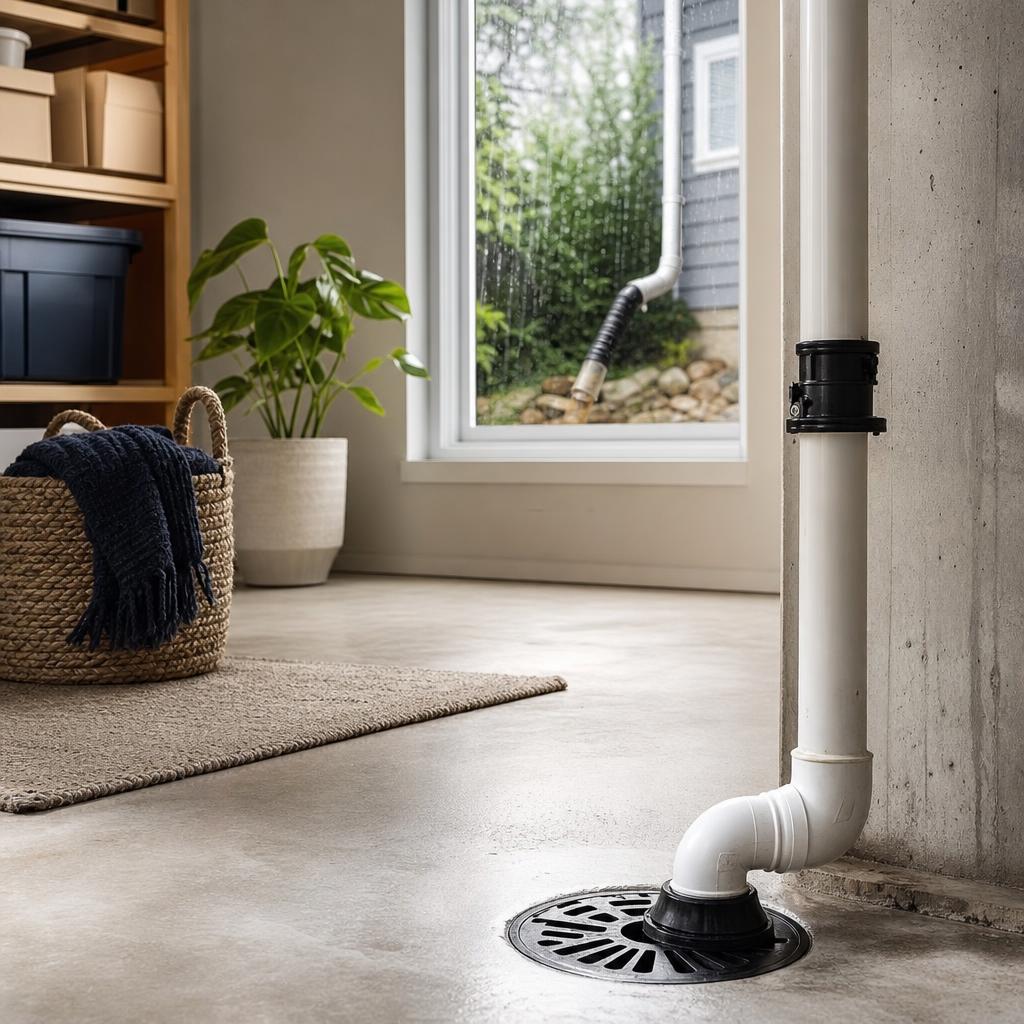
Illustrative AI-generated image, not a photograph of local work or a provider.
Basement flood protection is a planning exercise, not a single product. Water can arrive through groundwater, foundation openings, plumbing failures, a blocked drain, sewer reverse flow, or a sump system that cannot discharge. This guide helps Manotick and south Ottawa homeowners sort those pathways, prioritize observations, and ask useful questions about non-emergency service. It does not represent an operating plumbing company, a licensed team, guaranteed coverage, emergency dispatch, prices, warranties, or local project history. See sump pump guidance and backwater valve information for component-specific detail.
Start with the water pathway
The first practical question is not “which product should I buy?” but “where could water enter, and where should it leave?” A wet patch after rain may involve grading, a window well, a foundation crack, or groundwater. Water around a toilet, floor drain, or cleanout may point toward drainage or sewer conditions. A burst supply pipe behaves differently again. Timing, weather, location, odour, colour, and relation to fixture use provide valuable clues, although only an assessment can establish a cause.
Walk the basement slowly and create a simple plan showing the sump basin, floor drains, lower fixtures, water heater, laundry, cleanouts, exterior doors, windows, and mechanical equipment. Photograph stains before cleaning and write down whether the pump ran. Keep this record with home plumbing maintenance guidance. A map avoids the common mistake of treating every wet basement as a sump problem and helps a provider focus on the relevant system.
Build protection in layers
Useful layers may include functioning roof drainage, positive surface grading, maintained foundation drainage, a reliable sump and discharge, accessible floor drains, sound plumbing connections, and a backwater valve where the drainage layout and risk justify it. These layers overlap but are not interchangeable. A backwater valve cannot move groundwater, and a sump pump cannot stop reverse flow through a sanitary drain. A floor drain cannot compensate for a blocked building drain or a discharge line that ends beside the foundation.
Prioritize according to evidence and consequence. An accessible alarm may be important if nobody is home during storms; a clear discharge route may be the immediate concern if the pump runs but water returns; raising stored possessions may reduce damage while larger work is planned. The basement flood planning checklist can help sequence questions. Do not describe any combination as flood-proof: every layer has capacity limits, maintenance needs, and failure modes.
Sump system and power resilience
Inspect the basin, float, pump, check valve, pipe, alarm, and discharge as one system. Notice whether the pump cycles unusually often, sounds strained, or leaves standing water above its normal level. Confirm that the discharge is not obstructed outside and that its route does not return water to the foundation. Power protection requires its own thought: a battery backup, second pump, alarm, or generator arrangement each has operating limits. Never run a fuel-burning generator inside a home, garage, or enclosed space.
A backup plan should say who hears an alarm, how often equipment is tested, where batteries are kept, and what happens if the primary discharge is blocked. Battery runtime depends on capacity and pump demand; an alarm warns but does not remove water. If electrical parts are wet or damaged, keep clear and contact appropriate help. For non-urgent planning, use the sump pump service page; the request form is not emergency dispatch and does not confirm a response.
Sewer backup and backwater considerations
A sewer backup often affects a floor drain or lower fixture and may bring contaminated water, odour, or debris. A backwater valve can limit reverse movement through the section it serves, but its location, access, condition, and protected fixtures all matter. It cannot protect a fixture connected outside that section, stop groundwater, or repair a restricted building drain. Keep the access point usable and include maintenance in the plan rather than installing a valve and forgetting it.
After a backup, avoid contact with the water, keep children and pets away, and do not operate electrical equipment in affected areas. Sanitation and restoration may be as important as plumbing. For ordinary planning, document which fixture overflowed, whether other fixtures were used, and whether the event followed heavy rain or a municipal issue. Read backwater valve guidance before requesting a recommendation so you can ask what it would and would not protect.
Foundation, windows, and surface water
Exterior water management can be as important as basement equipment. Look for downspouts that discharge too close to the foundation, soil that slopes toward the house, window wells that collect debris, and cracks or openings that show staining. Seasonal frost, thaw, and heavy rainfall can expose weaknesses that were not visible in dry weather. Do not dig beside a foundation, alter a drain, or seal a suspected structural crack without understanding utilities, structure, water pressure, and the appropriate repair method.
Inside, condensation can mimic seepage, particularly around cool pipes and dense masonry. A hygrometer, dated photographs, and a comparison of wet weather versus fixture use can help separate patterns. Flooring and wall finishes can conceal moisture, so cosmetic repair before source control may repeat the damage. If structural movement, extensive mould, or contaminated water is present, engage specialists appropriate to that hazard. A general plumbing repair inquiry is suitable only for the plumbing portion of a non-urgent question.
Protect finished rooms and belongings
Flood planning includes what is stored and how quickly a problem can be seen. Keep boxes, electronics, photographs, and absorbent materials off the floor where practical, especially near the pit, laundry, water heater, and exterior walls. Leave access to shutoff valves, cleanouts, floor drains, and the sump basin. Do not build cabinetry over an inspection cover or route a permanent cord through a path that could become wet. An alarm that cannot be heard upstairs is not a complete warning system.
Know the location of the main water shutoff and individual fixture valves, but do not enter a wet electrical area to reach them. Label valves only after confirming what they control. Household members should know the difference between a plumbing leak and contaminated drainage water and should have a plan for pets and mobility needs. Review plumbing safety basics and write down emergency contacts separately from this site, since a service-request resource cannot promise immediate assistance.
Renovations and protection planning
A basement renovation is the best time to preserve access and discuss water pathways, but it is also a time when risks can be hidden. Before framing or flooring, identify the sump, cleanouts, backwater valve, floor drain, shutoffs, and any service opening. Ask how a future pump replacement or valve inspection will happen without dismantling the room. New laundry, bathroom, or wet-bar fixtures can change drainage demand and should be coordinated rather than added as an afterthought.
Water-resistant finishes may reduce damage but do not replace source control. Consider removable access panels, appropriately located equipment, and finishes that allow drying if a small leak occurs. Plumbing, electrical, structural, HVAC, and finishing scopes may require different qualified trades. The renovation plumbing guide offers planning questions; it does not establish permit requirements or guarantee an outcome. Confirm current local rules and responsibilities with the relevant authority and the professionals involved.
Prioritising a non-emergency request
A useful request includes the property area, type of lower level, history of water, the suspected entry point, equipment age if known, photographs, and what has already been attempted. Say whether the issue is active, recurring, or only a planning concern. Mention finished surfaces, access limitations, pets, and any sanitation or electrical concern. Do not send passwords, financial details, or unnecessary sensitive information. Clear facts are more helpful than a conclusion such as “I need a bigger pump.”
Ask the responding provider to distinguish inspection from repair, explain alternatives, identify access and restoration needs, and state what remains unknown. Confirm provider identity, qualifications, insurance, scope, price, timing, and warranty directly before authorization. ManotickPlumber.com supplies educational content and a contact pathway; it does not itself perform work or promise provider availability, emergency response, licensing, coverage, or results. For cost context, see factors that shape plumbing estimates, then obtain a property-specific quote.
Questions about basement flood protection
What is the first step in protecting a basement?
Map where water could enter and leave, then record the location, timing, weather, odour, and fixture relationship of any moisture. Check safe, visible conditions around the sump and drains without entering wet electrical areas. This evidence helps prioritize investigation instead of buying a product by guesswork.
Do I need both a sump pump and a backwater valve?
They address different pathways: a sump pump manages collected groundwater or drainage water, while a backwater valve limits reverse flow in a connected drain. Whether either or both suit a home depends on its layout, history, and condition. A site assessment is needed for a responsible recommendation.
Should I finish a basement without flood protection?
Finishing does not create a universal requirement or guarantee, but it can make access and drying more difficult. Preserve service openings, keep equipment reachable, plan for alarms, and understand the sump, drain, and sewer pathways before walls and flooring close. Coordinate plumbing and other trades early.
What should I do during active basement flooding?
Put personal safety first. Stay out of water near electrical equipment, keep people and pets away from contaminated water, and use appropriate emergency and restoration resources. Shutoffs should be used only if reachable without risk. This website’s form is a non-emergency service request, not emergency dispatch.
Can landscaping solve basement water problems?
Surface grading and downspout discharge can influence water, but landscaping cannot solve every foundation, drainage, sewer, or plumbing issue. Avoid excavation or changes near buried utilities without planning. Observe patterns and combine exterior measures with inspection of the relevant interior systems.