
Plumbing repairs: what to know before the next step
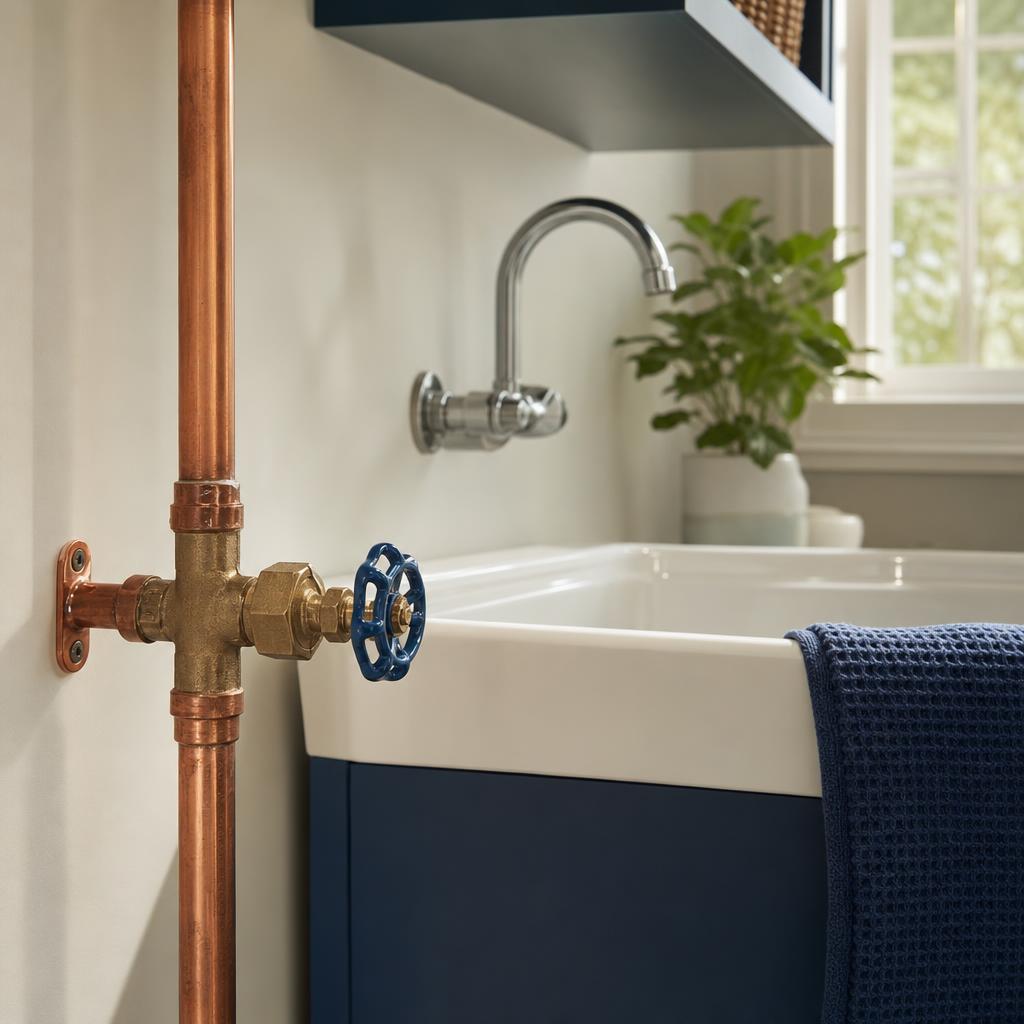
Illustrative AI-generated image, not a photograph of local work or a provider.
Plumbing trouble is easier to manage when a homeowner can describe the symptom, reduce immediate risk, and understand the choices that follow. This guide covers common residential repairs in Manotick and south Ottawa, from a dripping faucet to an uncertain shutoff. It is educational information from a service-request resource, not a claim that a particular provider is operating, licensed, available, or reviewing your home. For immediate danger, protect people first and contact an appropriate emergency service. For planning, begin with questions to ask a plumber and record what you observe before requesting an estimate.
Begin with the symptom, not a guess
A repair request is most useful when it describes what changed, where it occurs, and under which conditions. “The kitchen tap leaks only when the handle is closed” tells a different story from “water is everywhere.” Note whether water is clean or dirty, warm or cold, intermittent or constant, and whether a fixture, appliance, ceiling, wall, or floor is involved. A phone photograph, a short video of a sound, and the time the symptom appears can help a qualified professional form a safer preliminary plan without pretending that a diagnosis can be made remotely.
Avoid dismantling a concealed connection simply to identify it. Labels on shutoff valves, the route of exposed piping, and the location of the water meter are useful observations; forcing a seized valve or opening a wall can create a second problem. If you can do so without exposure to electricity or contaminated water, clear belongings from the wet area and place a container beneath a drip. The common plumbing problems guide can help you compare symptoms while keeping the boundary between homeowner observation and professional repair clear.
Leaks and the first safe decisions
A small leak still deserves attention because moisture can damage cabinets, flooring, insulation, and drywall long before a puddle becomes dramatic. If a flexible supply line, toilet, sink, or appliance connection is visibly leaking, close its local stop valve gently if it turns normally. If that valve does not work, a household main shutoff may reduce damage, but every home is arranged differently. Never remove a fitting under pressure, and do not touch wet electrical equipment. When the source is uncertain, limit water use in the affected area and seek qualified guidance.
Clean water at a fixture is not automatically harmless: it can travel beneath finishes and create mould-friendly conditions. Dirty water from a drain, toilet, or backup should be treated as contaminated; keep children and pets away, avoid splashing, and follow appropriate public-health cleaning advice. A repair assessment should distinguish the failed seal, valve, pipe, or appliance connection from the damage around it. Site visitors can review basement flood protection information when a leak affects a lower level, but that page does not promise a specific inspection or outcome.
Fixtures, faucets, and toilets
Faucet drips commonly involve a worn cartridge, washer, O-ring, aerator, or connection, but the correct part depends on the design and age of the fixture. A toilet that runs may have a fill valve, flapper, float, or handle issue; a toilet that rocks may have a sealing or mounting concern that should not be hidden with caulk. Replacing a familiar-looking component without checking compatibility can create poor shutoff, leaks, or an inability to service the fixture later. Keep the model name or a photograph available when requesting help.
A sink trap can be loose, cracked, blocked, or installed with an awkward alignment. Hand-tightening a plastic nut may solve a minor seep, while repeated tightening can distort a seal. Do not use a fixture if its drain connection is spraying into a cabinet or if a toilet is overflowing. Homeowners planning a fixture change can compare bathroom plumbing options or kitchen plumbing considerations, then confirm rough-in dimensions, supply locations, waste connections, and access before buying materials.
Pipes, valves, and pressure symptoms
Noises are clues rather than diagnoses. A bang when a valve closes may relate to moving water, loose pipe supports, or water hammer; a hum can come from a valve, pressure-reducing component, or appliance. Low flow at one fixture points toward its aerator, stop valve, or branch, while low flow throughout a home suggests a different investigation. Sudden pressure changes, discoloured water, or a newly wet area deserve a careful assessment instead of an assumption that the municipal supply is responsible.
Do not adjust an unfamiliar pressure component or bypass a relief device to silence a symptom. A professional may inspect accessible pipe supports, shutoffs, pressure behaviour, and connections while considering the home’s age and alterations. Keep a note of when the sound occurs and whether another fixture is running. If a repair is part of a renovation, early renovation plumbing planning can preserve access and avoid closing walls around an untested connection.
Hidden leaks and moisture evidence
A stain on a ceiling, a swollen cabinet base, peeling paint, a musty odour, or an unexplained water-meter change can indicate water that is travelling from somewhere else. The visible mark may be downstream from a roof, exterior, drain, supply pipe, bathroom, or heating appliance, so cutting a large opening immediately is not always the best first step. Record the stain’s size, take dated photographs, and stop nearby water use where practical. If the area is growing or a ceiling is sagging, keep clear and obtain urgent professional advice.
Leak detection has limits: a visual inspection can narrow possibilities but cannot promise that every concealed route is identified without access. After the source is repaired, drying and restoration are separate decisions and may involve other trades or insurers. Do not represent a service-request website as an insurer, restoration company, or emergency dispatch. For homes with repeated lower-level moisture, reading about sump pumps and backwater valves may clarify preventive questions without implying that either product is suitable for every property.
Repair, replacement, or temporary control
The sensible choice depends on safety, remaining service life, parts availability, access, water damage, and how disruptive a repeat failure would be. A repair may restore a sound fixture or connection; replacement may be more practical when a component is corroded, obsolete, inaccessible, or repeatedly failing. A temporary measure, such as turning off a fixture, can reduce damage while awaiting a decision, but it is not a finished repair. Ask what failed, what will be changed, what remains uncertain, and how the result will be checked.
A useful estimate separates labour assumptions, materials, access work, testing, and items that cannot be known until opening a concealed area. Avoid choosing solely on a generic online price because properties and scopes differ. This site does not publish universal pricing, guarantees, reviews, or a provider’s credentials. Its cost guide is for planning questions only; availability and any eventual agreement must be confirmed directly with a provider you choose. The form here prepares a local draft and does not send a request.
Preparing the home for a visit
Clear the area around a water heater, mechanical room, sink cabinet, toilet, crawl-space hatch, or affected wall. Make a list of fixtures that still work and those that do not. Secure pets, identify parking or access constraints, and locate any shutoff you already know. Do not hide an active leak behind towels or move heavy appliances alone. If a fixture is under warranty, gather its paperwork, but do not assume a warranty covers labour, consequential damage, or a particular diagnosis.
Explain previous repairs, drain cleaners, renovations, frozen-pipe concerns, and any unusual water use. Honest context protects the person assessing the work and helps avoid incompatible materials. Before authorization, ask who will perform the work, what qualifications and insurance are relevant, whether permits or utility coordination could apply, and how changes to scope will be communicated. These are general due-diligence questions, not unsupported claims about local rules; the homeowner and provider should verify requirements for the actual property.
After the repair: test and prevent
A completed repair should be checked under realistic conditions. That may mean running a fixture, filling and draining a basin, flushing a toilet, observing an appliance cycle, or watching a connection for a reasonable period. Look for drips at both the repaired joint and nearby joints that may have been disturbed. Ask where the new shutoff is, what maintenance is expected, and whether the old part or documentation is available. A dry first minute is useful evidence, not proof that a concealed issue can never recur.
Prevention is mostly observation: know where shutoffs are, avoid hanging weight from supply lines, do not force handles, protect exposed piping from cold, and address slow drains before they overflow. Keep cabinets ventilated enough to notice moisture and inspect hoses periodically. For broader household planning, the water heater guide and drain cleaning guide explain different warning signs. A service-request site can help organize a question; it cannot monitor your plumbing or replace an on-site assessment.
Questions about plumbing repairs
What should I do first when a pipe or fitting is leaking?
Protect people, avoid wet electrical equipment, and close a local or main shutoff only if it is safe and operates normally. Move belongings from the water path, contain clean drips, and do not remove pressurized fittings. Dirty water requires extra hygiene precautions. Contact a qualified provider for the actual diagnosis.
Can a dripping faucet wait?
It may not be an immediate emergency, but continuous dripping wastes water and can worsen corrosion or cabinet damage. Note whether the drip is from the spout, handle, or connection and photograph the fixture. Avoid assuming a generic cartridge will fit; compatibility should be confirmed before replacement.
How can I tell whether a ceiling stain is plumbing-related?
You cannot reliably identify the source from the stain alone. Record when it grows and whether nearby fixtures or appliances are used, then keep clear if the ceiling sags. Water can travel from another location, and roof or exterior sources are possible. A qualified assessment is safer than opening a large area blindly.
Does this website provide emergency plumbing dispatch?
No. It is an information and service-request resource, and provider configuration or availability must be confirmed. The request form is not emergency dispatch. For immediate danger, significant flooding, sewage exposure, or electrical risk, follow emergency guidance and contact an appropriate local emergency or plumbing provider directly.
How should I compare repair estimates?
Compare the described diagnosis, scope, materials, access assumptions, testing, exclusions, and change-order process rather than a headline number alone. Ask who will perform the work and what credentials, insurance, or approvals matter for the job. This site does not endorse a provider or guarantee a quoted result.