Water heaters: what to know before the next step
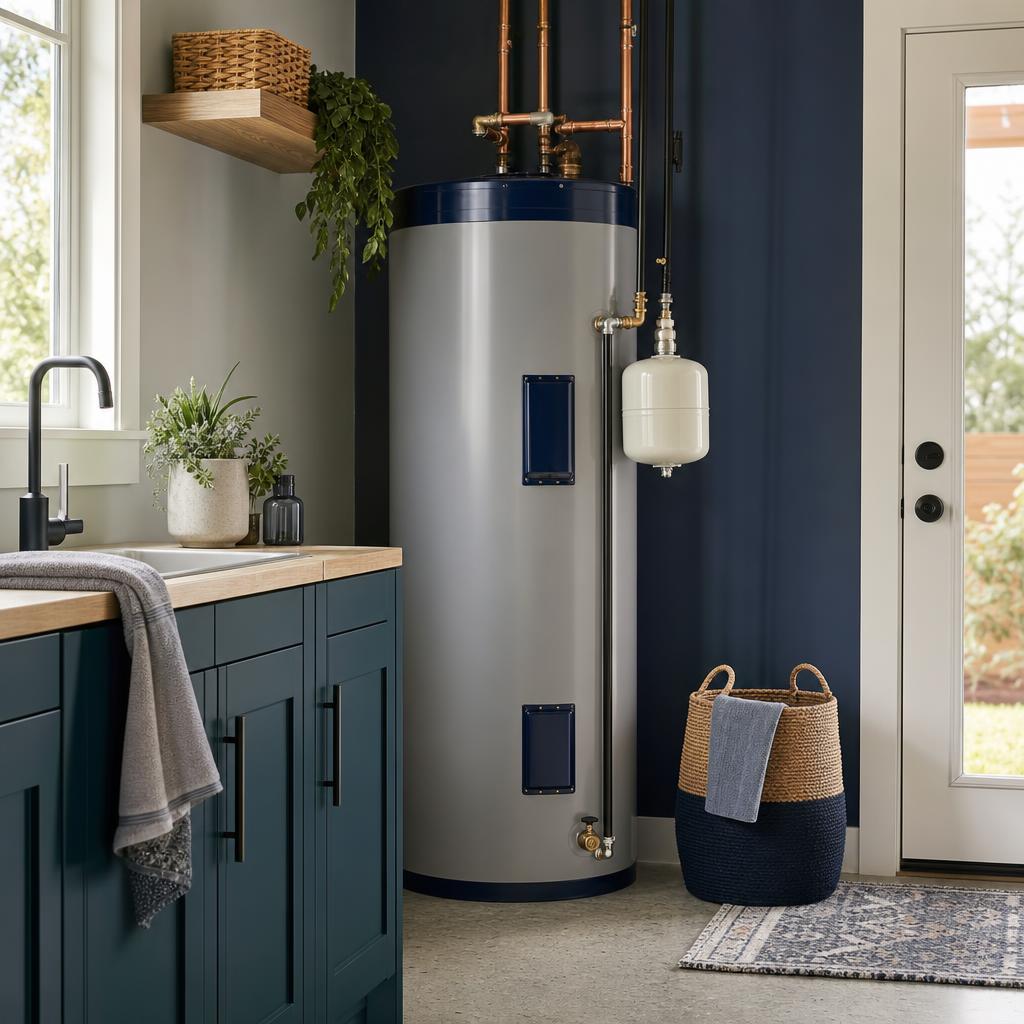
Illustrative AI-generated image, not a photograph of local work or a provider.
Reliable hot water begins with understanding the heater as a system: tank or heat source, controls, connections, relief protection, venting where applicable, and the household demand placed on it. This guide helps Manotick homeowners describe performance changes, respond safely to leaks, and compare repair or replacement questions. It is educational content from an information and service-request site, not a representation of an operating provider, licensed team, warranty, price, emergency response, or local job history. For broader household concerns, begin with plumbing repair information.
Recognizing a change in hot water
A sudden loss of hot water has different possible causes from a gradual reduction in capacity. Note whether all fixtures are affected, whether water is warm but not hot, whether recovery takes longer, and whether the issue follows a power interruption or a change in household use. A temperature complaint can involve controls, heating elements, fuel supply, sediment, a mixing valve, a dip tube, or demand that exceeds the unit’s practical output. These observations narrow questions without pretending to diagnose the appliance remotely.
Do not remove covers, reset unfamiliar controls repeatedly, or bypass safety devices. If an electric heater has a wet enclosure, turn off power only from a safe, accessible disconnect if you know it is correct; do not touch water and electricity together. For fuel-burning equipment, an unusual odour, soot, poor combustion, or alarm is a safety matter: leave the area as appropriate and contact the relevant emergency or utility service. The home plumbing guides explain how to prepare useful service information.
Leaks require a calm response
Water around a heater can come from a supply connection, drain valve, temperature-and-pressure relief discharge, condensation, a nearby pipe, or the tank itself. A puddle does not identify the source. If there is active leaking and it is safe, close the cold-water supply to the unit and stop using hot water; shut down energy only according to the equipment instructions and your ability to do so safely. Never cap or obstruct a relief discharge and never handle a hot discharge pipe.
Protect floors and belongings without placing yourself near scalding water, gas equipment, or energized components. A tank leak can worsen quickly, while a loose connection may be a different repair question. Photograph the top, sides, floor, labels, and any discharge, but do not remove insulation or panels for a closer look. Homes with repeated lower-level water concerns can read basement flood protection guidance, though that does not replace heater assessment or guarantee protection.
Tank, tankless, and heat-source differences
Storage-tank heaters hold heated water and recover after use; tankless units heat as flow passes through; other systems may use a heat pump or a building-specific arrangement. Each has different space, electrical, venting, flow, maintenance, and recovery considerations. “More hot water” is not simply a matter of selecting the largest label. Household routines, simultaneous showers, fixtures, incoming-water conditions, and available services all affect a sensible choice.
When comparing an option, ask about first-hour or flow performance, required connections, service access, noise, condensate or drainage needs, and what happens during a power interruption. Manufacturer instructions and the actual installation matter more than a generic online comparison. The renovation plumbing page is useful if a heater change is part of a room or mechanical-space project, but it does not certify compatibility with your home.
Temperature, scalding, and household safety
Hot water must be useful without creating avoidable burn risk. Children, older adults, and people with reduced sensation may need additional household precautions. Do not set controls by guesswork or defeat a tempering arrangement; a qualified professional can discuss the equipment and safe testing approach. Water that seems suddenly hotter, fluctuates sharply, or arrives with unusual delay warrants investigation rather than an improvised adjustment.
Keep combustible storage and household clutter away from equipment where applicable, maintain clear service access, and never block a vent or air opening. Carbon-monoxide alarms and smoke alarms should be maintained according to their instructions; an alarm or suspected combustion problem is not a plumbing troubleshooting exercise. These are general safety boundaries, not unsupported local regulation claims. Ask the provider which manufacturer instructions and property-specific requirements govern the proposed work.
Sediment, noise, and water quality clues
Popping, rumbling, whistling, or banging can result from mineral sediment, flow restrictions, thermal movement, or a component that needs attention. Cloudy or discoloured hot water can have more than one cause and should be compared with cold water at the same fixture. A smell from hot water may relate to the heater, anode, plumbing materials, or the source water. Do not assume flushing a unit is always harmless; age, condition, and manufacturer guidance affect the risk.
Write down when the noise occurs and whether it changes after several minutes of heating or at a particular tap. A qualified assessment may consider the drain valve, relief discharge, connections, controls, and tank condition. Do not open a drain valve into an uncontrolled bucket or floor area, and do not treat a relief valve as a routine drain. For nearby fixture symptoms, kitchen plumbing information can help separate a faucet or supply concern from the heater itself.
Repair versus replacement planning
Age is one factor, not an automatic replacement sentence. A repair may make sense for an accessible valve, connection, control, or element when the vessel and surrounding installation remain sound. Replacement becomes a stronger planning question when there is tank corrosion, repeated failure, persistent leakage, obsolete parts, inadequate capacity, or an installation that no longer suits the home. Ask for the observed failure, the uncertainty, expected remaining-life considerations, and the consequences of postponing work.
A useful comparison includes equipment, removal, disposal, required alterations, connections, controls, commissioning, and future service access. It should also distinguish a confirmed need from an optional efficiency or capacity improvement. This site does not publish a universal water-heater price or promise savings, lifespan, warranty coverage, or provider performance. Its cost-planning guidance is informational; obtain and review a property-specific scope before authorizing work.
Preparing for assessment or installation
Clear access to the heater, electrical or fuel controls, shutoffs, drain route, and surrounding floor. Have the make, model, serial label, installation date if known, and any recent invoices or symptoms ready. Mention renovations, water-quality treatment, low pressure, unusual usage, and previous leaks. Keep children and pets away from the work area, and do not move a heavy appliance or attempt to drain a hot tank yourself.
Before work begins, ask who is responsible for removing the old unit, protecting finished surfaces, coordinating other trades, testing connections, and explaining controls. Confirm how changes in scope will be communicated. Whether a permit, inspection, utility coordination, or manufacturer condition applies must be verified for the actual project with the appropriate authority or qualified professional; this page does not make unsupported claims about local requirements. A request form starts a conversation, not a contract.
After service: verify the result
After a repair or installation, check that hot water reaches the intended fixtures, cold connections remain dry, discharge paths are unobstructed, controls are understandable, and the equipment operates without unusual odour or noise. Ask how long recovery may take, what normal sounds are expected, where the shutoffs are, and which maintenance actions are appropriate. A simple demonstration is valuable because a household member may need to respond to a future symptom.
Keep manuals, model information, and agreed scope documents together. Look for small drips over the next several uses without touching hot surfaces or panels. If a relief device discharges, the water becomes unexpectedly hot, a fuel odour appears, or an alarm activates, stop treating it as routine maintenance and seek appropriate safety help. Related sump pump information may assist with mechanical-room planning, but a sump cannot correct a heater fault.
Questions about water heaters
How do I know whether a water heater needs replacement?
Consider the confirmed failure, leakage, corrosion, age, parts availability, capacity, repeated repairs, and the condition of the surrounding installation. Age alone is not a diagnosis. Ask a qualified professional to explain repair and replacement options, assumptions, and risks without relying on a generic lifespan promise.
What should I do if water is leaking from the heater?
Keep clear of hot water, energized components, and fuel equipment. If safe, close the heater’s cold-water supply and stop using hot water; follow the equipment instructions for energy shutdown. Do not cap a relief outlet or remove panels. Active or rapidly worsening leaks need direct professional or appropriate emergency guidance.
Why is hot water suddenly too hot or inconsistent?
Possible causes include controls, elements, a mixing valve, flow changes, sediment, or a demand pattern that exceeds capacity. Do not bypass safety controls or adjust unfamiliar components. Keep children away from unusually hot outlets and request an assessment, particularly when temperature changes are sudden.
Can a larger heater solve low hot-water supply?
Not necessarily. Recovery, flow, incoming water, simultaneous use, fixture performance, energy service, and installation constraints all matter. A larger unit may be inappropriate or fail to address the actual issue. Describe household routines and have the complete system assessed before choosing equipment.
Is the service-request form emergency dispatch?
No. The website is an information and service-request resource, and it does not represent guaranteed dispatch or provider availability. For gas or combustion concerns, carbon-monoxide alarms, severe flooding, scalding risk, or electrical danger, leave the area as appropriate and contact the relevant emergency or utility service directly.