
Winter Plumbing Tips for Manotick Homes: what to know before the next step
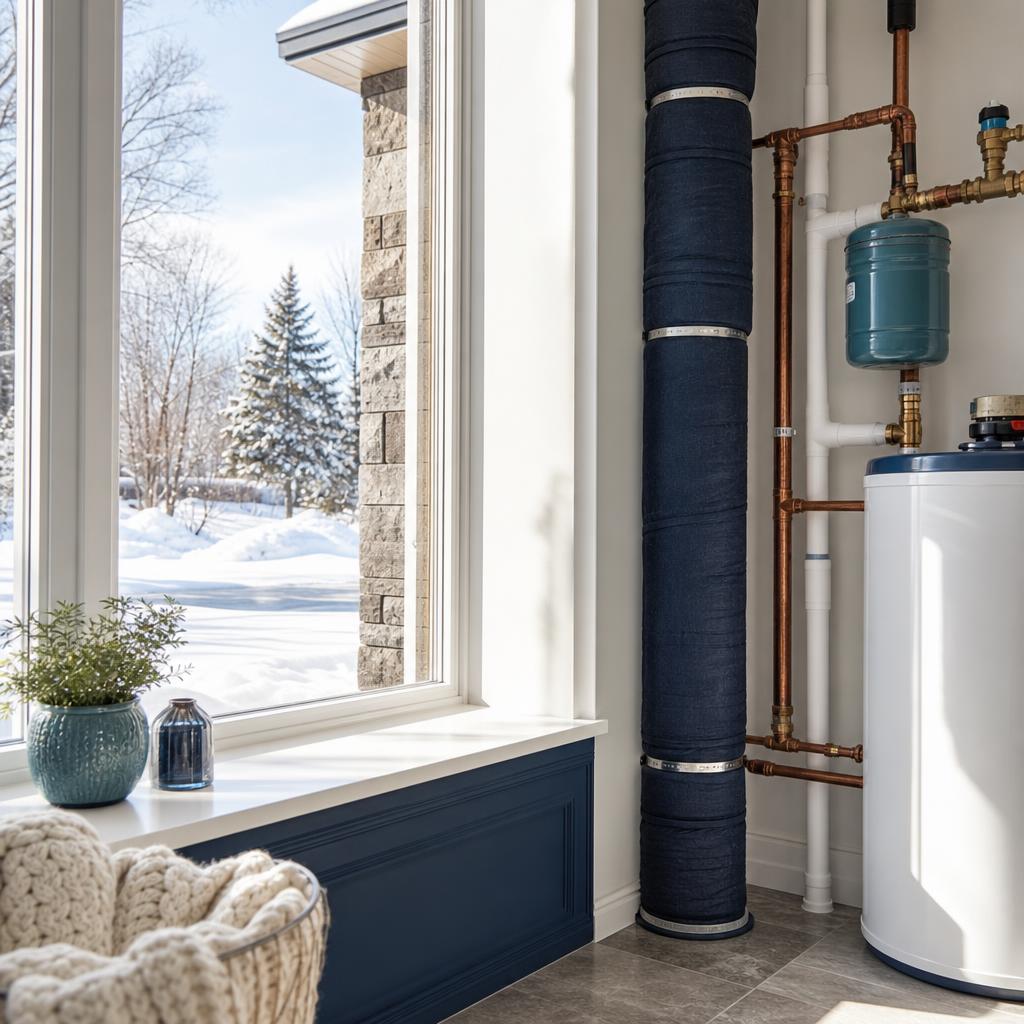
Illustrative AI-generated image, not a photograph of local work or a provider.
Winter plumbing preparation is less about a single product and more about knowing where water can freeze, how to isolate a fixture, and when a symptom needs qualified help. This Manotick homeowner guide discusses cold-weather risk without promising prevention or emergency response. ManotickPlumber.com is an information and service-request resource, not an operating plumbing company or licensed team; it does not publish prices, guarantee outcomes, claim local job history, or dispatch emergencies. For non-urgent contact, use the service request page and verify all provider details directly.
Why freezing causes damage
Water expands as it freezes. In a closed or restricted section, pressure can build even when the visible break is not at the coldest point. A pipe may appear fine until thawing releases water into a wall, ceiling, cabinet, or basement. Risk depends on exposure, insulation, drafts, pipe layout, temperature duration, and the condition of valves and connections—not simply on the outdoor forecast.
Before winter, find vulnerable runs near exterior walls, unheated rooms, garages, crawlspaces, and outdoor taps. Look for drafts and missing insulation without blocking required ventilation or creating a fire risk. The Manotick plumbing guide helps organize a home map, while plumbing repair information explains why a small leak or stiff valve deserves attention before cold weather.
Outdoor supplies and seasonal closures
Outdoor faucets and seasonal lines need a deliberate shutoff and drainage process suited to the home’s arrangement. A frost-resistant fixture can reduce risk only when installed and used as intended; it is not permission to leave a hose attached or assume every connected section drains itself. Remove hoses, close the interior valve where present, and follow the equipment or fixture instructions.
If a valve does not close, a fitting leaks, or the indoor route is unclear, do not force it or improvise a cap under pressure. Photograph the arrangement and ask a qualified provider what should be isolated. The service overview can direct you to repair or renovation topics, but it cannot determine a concealed layout or promise that a seasonal procedure is correct for every Manotick home.
Keep indoor plumbing moving safely
During severe cold, maintaining reasonable indoor heat and allowing warm air to reach vulnerable rooms can help, provided vents and equipment clearances remain unobstructed. Open a cabinet only where it is safe and does not expose children or pets to chemicals or equipment. Do not leave a tap running as a universal remedy; water, drainage, pressure, and the home’s design all matter.
If a fixture slows or stops in freezing conditions, close its local shutoff if safe and check whether other fixtures behave normally. Never use a torch, open flame, boiling water poured onto a pipe, or an improvised high-heat device. A hair dryer may still be inappropriate around water and electricity. The winter plumbing checklist is educational; qualified guidance should determine any thawing method.
What to do when a pipe may be frozen
Treat a suspected freeze as a water-damage risk even if no leak is visible. Locate the nearest shutoff and the main shutoff, keep the area clear, and watch for bulging, cracking, dripping, or a return of pressure. If water is near electrical equipment, do not enter or touch switches; leave the hazard and obtain appropriate help. Do not open walls to chase a frozen section without a plan.
When safe, record which fixtures are affected and whether the issue changes as temperatures rise. A professional can assess access, thawing, damaged sections, and testing. A request through the service page is not emergency dispatch and may not be immediate. For uncontrolled flooding, danger, gas odour, or electrical risk, contact the relevant emergency service or preferred emergency plumbing provider.
Sump pumps and power interruptions
Winter and spring conditions can challenge sump systems through snowmelt, frozen discharge, power interruption, and increased inflow. Keep the pit accessible, confirm the discharge route is not visibly blocked, and understand the alarm and backup arrangement. Never handle a pump, cord, or standing water when electricity creates a hazard. A test should be controlled and should not exceed the system’s safe capacity.
A backup pump, battery, generator, alarm, and discharge configuration each solve different problems and require compatibility. Do not buy the first backup product without checking pit dimensions, controls, power, discharge, and maintenance. Read sump pump guidance and basement flood protection for questions to bring to an assessment. No system guarantees a dry basement in every event.
Water heaters in cold weather
Cold inlet water and changed household routines can make a hot-water system feel different, but a leak, sudden loss, unusual noise, or hot discharge should not be dismissed as seasonal. Keep combustible items and access routes clear as appropriate to the installation. Do not alter fuel controls, electrical panels, relief devices, or temperature settings without qualified guidance and the manufacturer’s instructions.
If replacement is being considered, assess demand, location, access, connections, drainage, energy source, and future use. A winter emergency is a poor time to choose equipment without understanding the scope. The water heater service page explains what information to gather; a provider must confirm suitability, actual availability, and any requirements that apply.
Basement drains and sewer backup
A floor drain can be an important observation point, but it does not explain every basement-water event. Note odour, slow drainage, bubbling, standing water, and whether the timing follows rain, thaw, or appliance use. Keep valuables elevated and maintain access to cleanouts and valves. Do not enter contaminated water or attempt a cleanup that puts people at risk.
A backwater valve may help with a particular sewer-flow risk, while a sump handles another route. Valves need appropriate access and maintenance, and they are not universal flood guarantees. Compare backwater valve information with the broader basement page before asking for an assessment. Requirements and suitable methods depend on the actual drainage layout and must be confirmed by qualified parties.
A sensible winter request
Describe the date and weather, affected fixtures, indoor temperature if relevant, visible water, shutoff status, photographs, and any attempted action. Say whether the problem is controlled and whether access is clear. Mention a finished wall, narrow crawlspace, pets, or equipment nearby. Do not conceal a thawing attempt or chemical use; safety information changes the assessment.
Ask what happens first, what is included, what may be temporary, and how additional work is approved. Confirm who is responding and their qualifications rather than assuming a website endorsement. The cost guide explains why access and urgency can affect scope but provides no universal price. This resource does not claim emergency response, coverage, or a guaranteed winter outcome.
Spring follow-up after a freeze
A pipe that survived one freeze may still have a weakened joint or hidden damage. After temperatures rise, inspect accessible areas for dampness, staining, mould-like odour, pressure changes, and unusual cycling. Check cabinets and basement corners without touching unsafe water or wiring. If a leak appears, isolate it when safe and document the location rather than repeatedly reopening the valve.
Use the event as a planning prompt: label shutoffs, improve safe access, address drafts, review outdoor closures, and discuss vulnerable areas with a qualified provider. The renovation plumbing resource may help if access improvements are part of a larger project. Do not assume a single repair proves every pipe is protected; prevention is specific to the home’s conditions.
Keep a short winter incident record even when the outcome seems minor. Note the lowest conditions you observed, the room involved, whether heat or power was interrupted, where a valve was closed, and whether a fitting was repaired or merely dried. Photograph staining before cleaning and retain product labels for any insulation or heating equipment added later. This information can reveal a repeating exposure that is easy to miss in summer. It also helps separate a frozen supply line from a drainage problem or pump issue. A record cannot replace a site assessment, and a previous successful thaw does not establish that the same method is safe next time. Share it with the qualified person evaluating the home.
Questions about winter plumbing tips for manotick homes
What should I do first if I suspect a frozen pipe?
Prioritize safety, locate a safe shutoff, watch for leaks as thawing occurs, and avoid flame or improvised high heat. If water is near electricity or the pipe is inaccessible, leave the hazard and obtain qualified help.
Should I leave a tap running overnight?
Not as a universal rule. Water, drainage, fixtures, and the home’s layout differ. Use qualified advice and never create a flood or leave an unsafe setup unattended.
Does insulation guarantee pipes will not freeze?
No. Exposure, drafts, duration, installation, and indoor conditions all matter. Insulation can be part of a plan but is not a guarantee.
Can the site send an emergency plumber in winter?
No. This is an information and service-request resource and the form is not emergency dispatch. Contact your preferred emergency provider or appropriate emergency services for urgent hazards.
How do I protect a sump system in cold weather?
Keep the pit and discharge route accessible, understand backup power and alarms, and check for visible obstruction within safe limits. A qualified assessment should address the actual pump and discharge layout.