
Bathroom plumbing: what to know before the next step
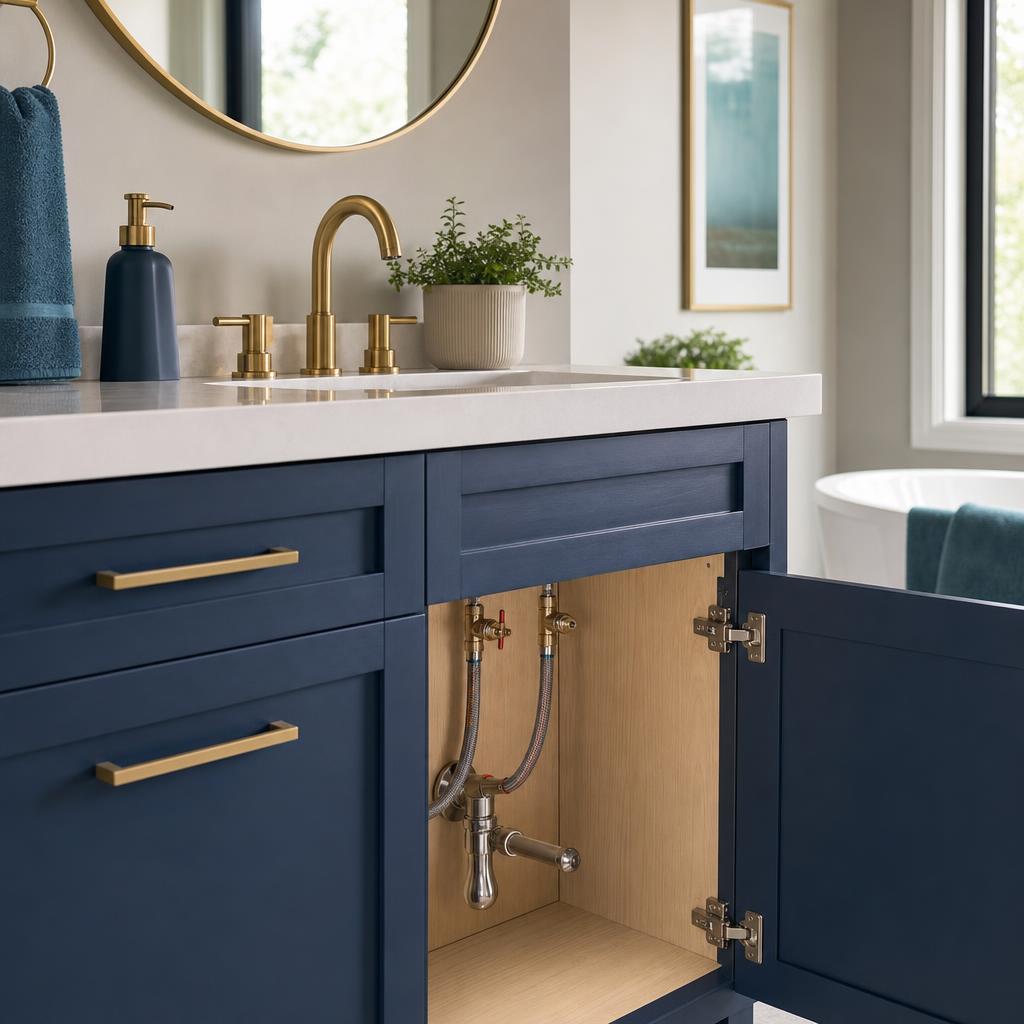
Illustrative AI-generated image, not a photograph of local work or a provider.
Bathroom plumbing is a compact system that has to perform many times each day. A toilet, lavatory, tub, shower, shutoff, trap, and supply connection all share a small footprint, often behind finished walls or beneath a vanity. This page is an educational starting point for homeowners considering bathroom plumbing repair, fixture installation, or a future update in Manotick and south Ottawa. It is not a promise that a provider is operating, licensed, available, or dispatched through this website. Use the service request form to describe your question, then confirm the responding provider’s identity, qualifications, scope, timing, and terms before authorizing work. For related planning, compare general plumbing repairs, drain cleaning guidance, and the renovation plumbing overview.
Start with the symptom, not the fixture
A bathroom problem may announce itself as a dripping faucet, a toilet that runs after flushing, a shower that loses pressure, or a damp cabinet floor. The visible symptom is not always the source. Water can travel along a countertop, pipe, subfloor, or wall cavity before appearing at an opening. Before touching anything, note when it happens, whether hot or cold water is involved, and whether the problem changes when another fixture drains. A photograph of the connection and a short written timeline can make a future assessment more useful.
If water is actively escaping, protect people first and avoid electrical hazards. Close the small fixture shutoff if it turns freely; otherwise use the home’s accessible main shutoff only if you know it and can operate it safely. Do not force a corroded valve, open a ceiling, or dismantle a pressurized connection just to investigate. Place a container under a controlled drip, move belongings away, and seek appropriate professional advice. A service-request site can help organize information, but it is not an emergency dispatch service; urgent hazards require your preferred emergency resource.
Toilets: running, rocking, or leaking
A toilet that runs periodically may have a worn flapper, a fill-valve adjustment issue, a chain that prevents a seal from closing, or mineral buildup around a sealing surface. A toilet that rocks can be more than an annoyance: movement can stress the supply connection and the seal at the floor. Never tighten floor bolts aggressively to stop movement, because porcelain can crack. A gentle check of the shutoff, tank water level, and visible supply connection is reasonable, but internal parts should be handled with care and the water should be shut off before any replacement.
Water at the toilet base deserves attention even when the bowl still flushes. It may come from condensation, a supply line, a tank bolt, or the floor connection, and wiping the area repeatedly does not identify the cause. Stop using the fixture if water is spreading, especially near finished flooring, and record whether dampness appears after flushing or filling. Guidance on leak tracing and fixture repair can help you prepare a focused request. Replacement selection also involves rough-in dimensions, bowl projection, seat height, clearance, and the existing shutoff—not simply colour or appearance.
Faucets, sinks, and vanity cabinets
A bathroom faucet can leak at the handle, spout, base, supply hose, or aerator. Each location suggests a different repair, and replacing a cartridge without checking the connection beneath the sink may leave the real issue untouched. Look for green or white deposits, swollen cabinet material, a loose mounting nut, and moisture that returns after the faucet is used. Keep cleaners and stored towels away from a damp cabinet while the source is being assessed. Do not rely on silicone as a substitute for a sound connection; sealant can hide an active leak and complicate later work.
A new vanity or basin needs more planning than matching the drain opening. The faucet hole pattern, basin depth, backsplash clearance, trap position, supply-stub height, and access to shutoffs all affect whether the installation is convenient to maintain. If a cabinet is being replaced, photograph the existing plumbing before demolition and measure the wall and floor openings. A fixture compatibility conversation should cover what is already in the room, what you want to change, and which finish surfaces must be protected.
Showers and tubs behind finished walls
A shower that drips after the handle is closed may need a cartridge, valve component, or seat addressed; a weak spray may reflect the showerhead, supply restriction, pressure, or another issue elsewhere. If the temperature fluctuates when another tap opens, note the pattern rather than repeatedly adjusting the handle. Do not cut tile or drywall as a first response. The valve model, access panel, trim condition, and surrounding moisture evidence are useful details to share before anyone proposes opening a wall.
Tub and shower drainage also deserves a measured approach. Hair and soap accumulation commonly slow a drain, but recurring backup can involve a trap, venting, or a deeper branch line. Avoid mixing chemical drain products or plunging forcefully against a closed stopper mechanism. The drain cleaning service information explains why a recurring blockage merits diagnosis rather than a succession of temporary products. Keep children away from standing water and record whether nearby fixtures drain slowly at the same time.
Water efficiency without chasing the lowest flow
A bathroom update can reduce waste through a properly matched faucet aerator, a well-performing showerhead, a dual-flush toilet where appropriate, and attention to leaks. Flow labels alone do not determine comfort: household pressure, pipe condition, valve type, spray pattern, and user expectations matter. A very restrictive device may encourage longer showers or repeated flushing. Ask how a proposed fixture will interact with existing supply lines and whether replacement parts are readily identifiable for future maintenance.
Small conservation habits help too. Repair a toilet that cycles, do not use the toilet as a waste bin, and clean an aerator carefully rather than forcing debris deeper into a valve. If hot water takes a long time to arrive, consider whether the issue is distance, pipe routing, or a water-heating concern rather than automatically selecting a larger fixture. The water heater information page can help separate hot-water production questions from bathroom fixture questions.
Bathroom renovation planning
A bathroom renovation is easiest to adjust before tile, cabinetry, and wallboard conceal the plumbing. Establish fixture locations, finished floor height, drain centres, supply routes, valve access, and the intended wall assembly early. A tub becoming a shower can change drainage, waterproofing coordination, control height, and the amount of access required. Drawings do not need to be elaborate to be useful: include measurements from fixed walls, door swings, window openings, and the existing stack or chase if known.
Separate plumbing scope from finish scope when discussing the project. A plumber may address connections, valves, drainage, and rough-in details, while other trades handle electrical, waterproofing, framing, tile, or cabinetry. Confirm who protects finishes, who supplies fixtures, what happens if concealed conditions differ, and what approvals or inspections your project may require. The renovation planning guide offers questions to raise early without implying a particular contractor or regulatory outcome.
Maintenance and access
Once or twice a year, look beneath the vanity with a dry tissue, operate accessible shutoffs gently, and inspect the toilet supply and tank connections. Check that an access panel is not blocked by storage and that caulk or trim is not being used to conceal movement. A floor around a toilet, tub edge, or vanity should remain dry during normal use. If you notice staining, a musty odour, soft flooring, or a fixture that needs repeated adjustment, document it before the evidence disappears.
Maintenance is also a design decision. Leave enough room to remove a trap, reach a shutoff, service a cartridge, and lift a toilet without damaging adjacent finishes. Keep the model numbers for installed valves and fixtures, and store spare cartridges only when they are clearly identified. For lower-level bathrooms, connect the conversation to broader basement flood protection and backwater valve information, since a bathroom fixture is part of a home’s drainage system rather than an isolated object.
Preparing a clear service request
A useful request includes the room, fixture, symptom, frequency, and what changed before it began. Include whether the home is occupied, whether water can be shut off, and whether there is visible damage. Photos should show the whole fixture and a close view of the connection, with personal information removed. If you are planning an installation, list the fixture model, rough dimensions, preferred timing, and whether other trades are involved. This helps a responding provider identify questions without pretending that a written description replaces inspection.
Before work begins, ask for the proposed scope, assumptions about access, materials or fixture responsibilities, communication process, and how unexpected conditions will be handled. Verify insurance, credentials, and any required permissions directly with the provider, since this informational website does not independently establish them. The home service-request form is a starting point only, not a guarantee of acceptance, pricing, coverage, or emergency response.
Questions about bathroom plumbing
Why does my toilet keep running after a flush?
A flapper that does not seal, a misadjusted fill valve, a chain with too much slack or tension, or mineral buildup can all cause cycling. Check the visible tank water level and whether the shutoff is accessible, but avoid forcing old parts. If the toilet rocks, leaks at its base, or the tank components are unfamiliar, describe those details in a repair request rather than repeatedly flushing.
Should I replace a leaking bathroom faucet or repair it?
The answer depends on the leak location, faucet design, parts availability, finish condition, and the cost and effort of access. A cartridge or washer repair may be sensible when the body is sound; corrosion, loose mounting, or a hard-to-service design can favour replacement. Confirm compatibility with the existing holes and supply connections before purchasing a new faucet.
Can a slow shower drain be fixed with chemical cleaner?
Chemical products may not reach the cause, can damage some materials, and create a safety concern for anyone who later opens the trap or line. Do not mix products. Remove visible hair only if it can be done safely, note whether other drains are slow, and seek a method appropriate to the actual blockage.
What should I plan before a bathroom renovation starts?
Decide fixture locations, access panels, drain and supply routes, finished floor heights, valve serviceability, and who coordinates plumbing with framing, waterproofing, electrical, and cabinetry. Record fixture models and measurements. Early plumbing input can reveal conflicts before the walls and tile make changes difficult, but the required approvals and responsibilities should be confirmed for your specific project.
Is this website an emergency bathroom plumbing service?
No. This is an information and service-request resource, and the form is not an emergency dispatch channel. For active flooding, a safety hazard, or water near electricity, take only safe immediate steps such as moving people away and closing a known accessible shutoff, then contact your preferred emergency resource.