
Sump Pump Repair in Manotick: what to know before the next step
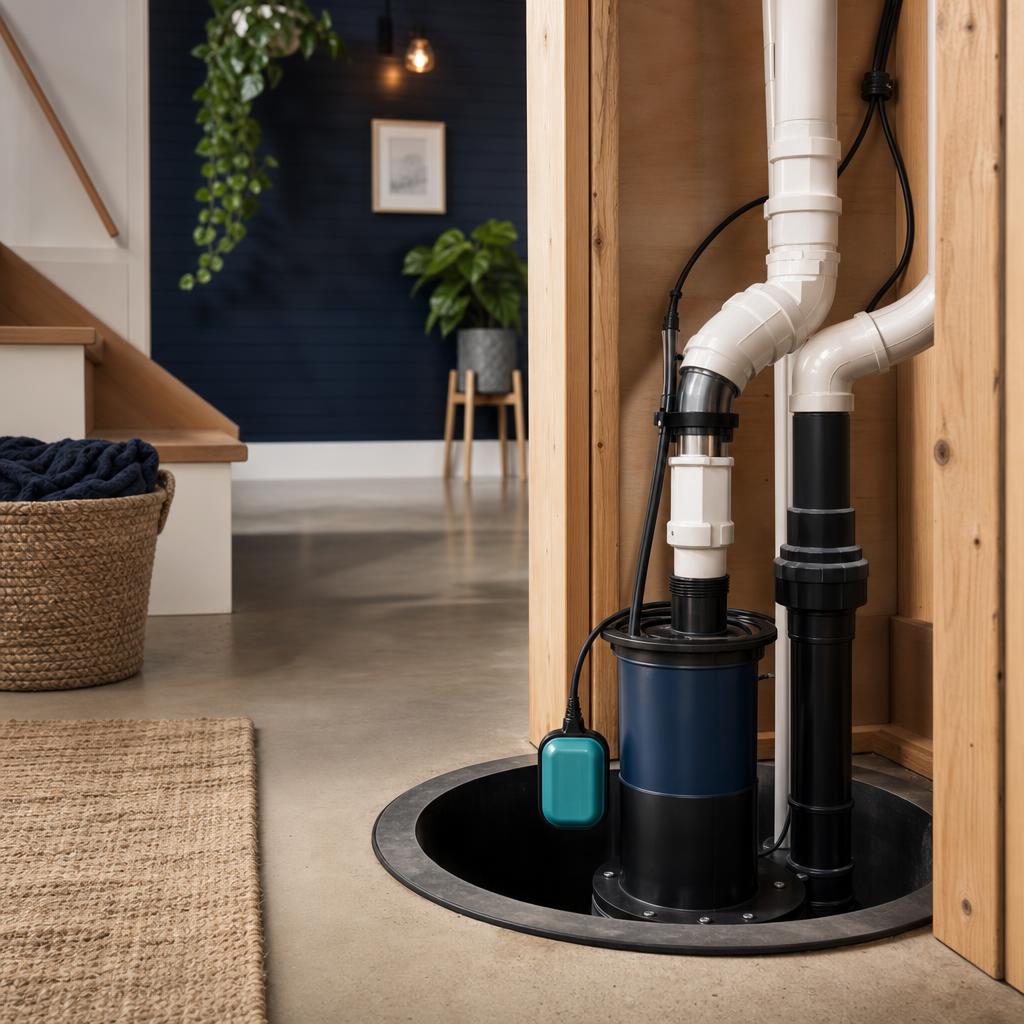
Illustrative AI-generated image, not a photograph of local work or a provider.
Sump pump repair in Manotick begins with identifying why the system is failing, not automatically installing another motor. A pump can be silent because it lacks power, unable to keep up because of inflow or discharge resistance, or running constantly because a switch, check valve, or outlet is compromised. This guide helps homeowners describe symptoms, take safe first steps, and distinguish a repairable component from a system that needs replacement. It is general information; this site does not claim to be an operating plumbing company or emergency dispatch service.
Recognizing different failure symptoms
“The sump pump is broken” can describe several conditions. A completely quiet pump may have a tripped breaker, failed receptacle, damaged cord, stuck float, or failed motor. A humming pump may be jammed or unable to start. A pump that runs but leaves the water level high may have a blocked intake, restricted discharge, failed check valve, undersized capacity, or unusually high inflow. Record exactly what happens when water enters the pit and when the pump stops.
Timing is useful evidence. Does the symptom appear only during rain, only after a power interruption, or on every test? Does water return immediately after shutdown? Are there new vibrations, odours, or wet spots around a joint? The sump pump service page gives a broad overview, while a repair request should include the model, age if known, recent weather, and any alarm behaviour.
Safe checks before requesting help
From a dry position, look for obvious standing water, a loose plug, a tripped breaker, a stuck float, or a discharge pipe that has separated. Do not reach into the pit, handle a pump, or reset electrical equipment while standing in water. Keep children and pets away. If the electrical system appears damaged or water is approaching electrical components, leave the area and contact an appropriate emergency resource rather than experimenting.
If the pump is safe to access, follow the manufacturer’s instructions for a test; adding water slowly can reveal whether the float activates and whether the discharge flows. Never pour water into a pit as a substitute for understanding an electrical hazard. Avoid striking the motor, cutting the cord, or applying chemical cleaners. Water damage prevention guidance can help with moving belongings and documenting conditions while professional help is arranged.
Common mechanical causes
Sediment and small debris can interfere with an intake screen, impeller, or float. A check valve installed backwards, stuck open, or leaking can allow water to fall back into the basin, creating short cycles. A discharge pipe may be kinked, crushed, frozen, disconnected, or obstructed at the outlet. These faults can look like a weak pump even though the motor is not the main problem. Diagnosis should follow the water path from pit to outlet.
A pump also has a service life influenced by cycle frequency, water conditions, and construction. Replacing only a noisy motor may leave a worn valve, damaged pipe, or poor float arrangement in place. Ask what failed, what evidence supports that conclusion, and whether the repair restores a sensible operating margin. If the pit is too small or the discharge is fundamentally unsuitable, a component-only repair may be temporary.
Power interruptions and backup failure
A system can appear unreliable after a storm because its primary pump stopped during an outage, its battery did not hold charge, or its alarm went unnoticed. Check the date of the last battery test and whether the backup pump shares a blocked outlet. A battery backup is not a magic second system if both pumps discharge through one restricted line. Ask how the primary and backup are expected to operate together.
Generators and portable power equipment introduce separate safety concerns, especially in enclosed spaces. Never run a fuel-powered generator indoors, in a garage, or near doors and windows. A qualified electrician can discuss transfer equipment and load requirements; a plumber can assess the water system. For related groundwater planning, read basement flood prevention, which considers sump, drains, and sewer pathways together.
When a repair becomes replacement planning
Replacement may be sensible when the pump has repeated failures, corrosion, damaged insulation, unavailable parts, or performance that no longer matches the home. It may also be the opportunity to correct an inaccessible lid, poor pipe support, missing check valve, or outlet that returns water to the foundation. A quote should separate the proposed pump from associated work so you can see whether the root cause is being addressed.
Do not decide by age alone. A relatively new pump can fail after a blockage, while an older pump may still be functioning but carry more risk during a wet event. Compare the cost and disruption of repair with the consequences of another failure, the condition of the pit, and the value of an alarm or backup. The plumbing repairs guide offers context for asking for a diagnostic explanation rather than a parts-only answer.
Basement protection while the pump is down
If safe and appropriate, move boxes, electronics, textiles, and furniture away from the floor and basin. Do not create trip hazards with improvised hoses or cables. A wet vacuum may be useful only when its instructions and electrical conditions allow; never use equipment in standing water if the power arrangement is unsafe. Photograph the source and affected materials for your own records, but do not delay urgent safety decisions to document every detail.
A temporary pump or alternative arrangement should be designed for the actual water volume and discharge route, not improvised from household equipment. Ask a professional whether water can be safely removed and where it may go. If sewage is involved, avoid contact and follow public-health guidance. A sump failure does not automatically mean the sewer is blocked, so keep the symptoms distinct when requesting drain cleaning information.
Testing after repair
A repair is not complete when the motor turns on once. The system should be tested through a full start, pumping, and shutoff cycle, with attention to the float, pipe joints, check valve, vibration, and water returning to the pit. If an alarm or backup was serviced, test it separately. Ask what maintenance the homeowner should perform, how often the battery needs attention, and which sounds or cycle patterns merit another call.
Keep an accessible record of the repair date, parts, model, and discharge arrangement. Mark the breaker and shutoff locations without placing labels in a wet area. Before spring thaw or a forecast of heavy rain, verify that the outlet is open and the pit is not crowded with storage. Basement plumbing guidance can help organize a seasonal inspection without pretending to replace hands-on diagnosis.
Writing a clear repair request
Describe the symptom in sequence: water level, float movement, motor sound, outlet flow, and what happens after shutdown. Include photographs from a dry, safe position and mention any recent renovation, landscaping, power outage, or flooding. Do not promise that a photo can establish a diagnosis. Ask whether the visit is diagnostic, what access is needed, and whether a repair recommendation will include related discharge or electrical observations.
This website provides educational pages and a service-request route, not a claimed operating provider, guaranteed response, universal price, emergency dispatch, or record of local jobs. Use the non-emergency estimate request only when the situation is suitable for a planned inquiry. Confirm identity, qualifications, scope, insurance, timing, and terms directly with any provider before work. For active flooding or electrical danger, leave the unsafe area and contact the appropriate emergency service.
Questions about sump pump repair in manotick
Why does my sump pump run but not lower the water?
Possible causes include a blocked intake, restricted or frozen discharge, leaking check valve, excessive inflow, poor pipe routing, or an undersized pump. A diagnosis should follow the entire path rather than assuming the motor alone is weak.
Can I reset the breaker when the basement is wet?
Do not handle electrical equipment while standing in water or where equipment is damaged. Move away and obtain qualified or emergency assistance. Electrical safety takes priority over testing the pump.
How do I know whether the float is stuck?
From a safe, dry position, observe whether it can move freely without stored items, cords, or sediment interfering. Do not reach into the pit; follow manufacturer instructions or ask a professional to inspect it.
Is a noisy pump always failing?
Not always. Vibration, loose piping, check-valve movement, debris, and a worn motor can all create noise. The timing and type of sound matter, so record it and request diagnosis rather than guessing.
Should I repair or replace an old pump?
Consider failure history, parts availability, pit and discharge condition, performance, and the consequences of another outage. A professional can compare a component repair with correcting system-level weaknesses.
Does sump pump repair address a sewer backup?
No. A sump system handles groundwater; a sewer backup enters through a different route. Describe both symptoms and ask for the appropriate separate assessment.