
Finding the right plumbing topic: what to know before the next step
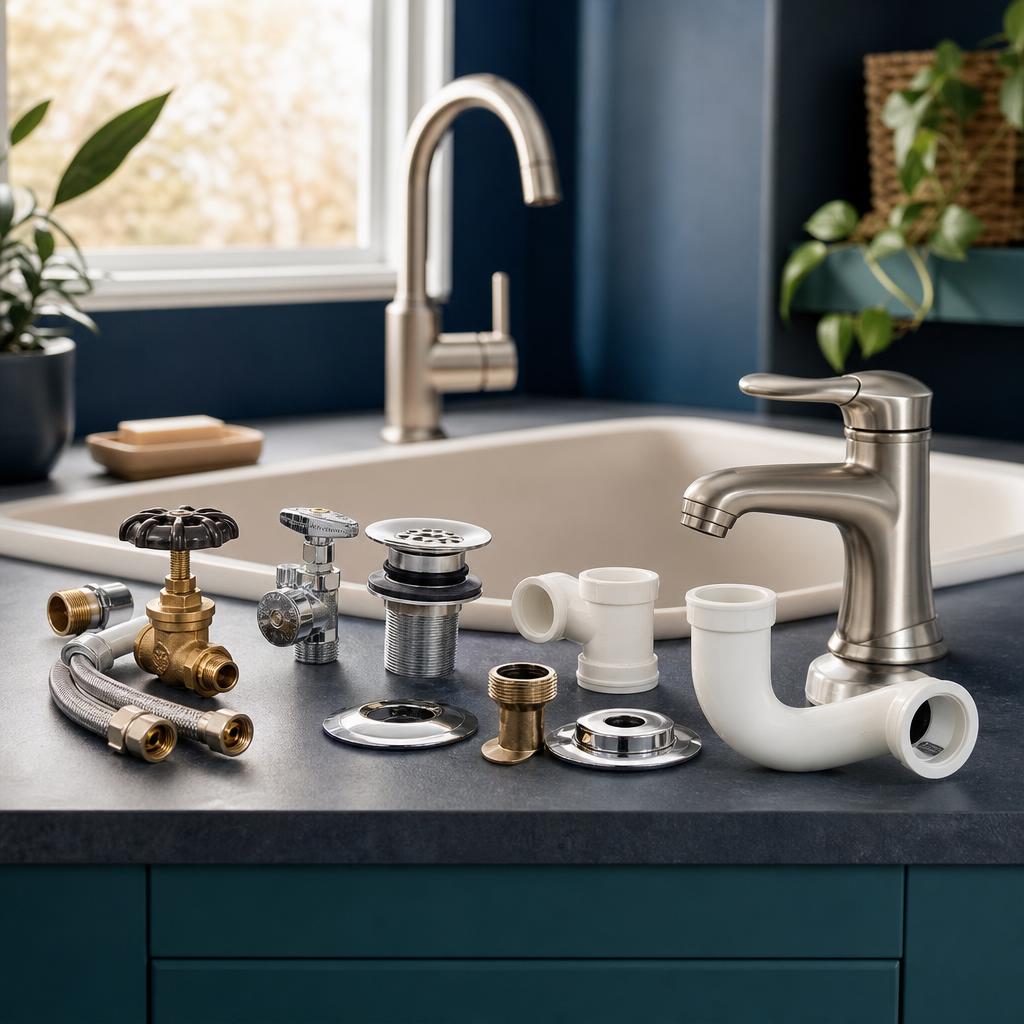
Illustrative AI-generated image, not a photograph of local work or a provider.
The plumbing problem finder helps turn an everyday symptom into a more useful description for research or a local service-request draft. It is not a diagnosis and cannot inspect concealed plumbing. Start with the service overview, use the tool above, and record what you can observe without taking risks. When you are ready, the local, copyable service-request draft can organize the room, fixture, timing, and safety concerns; it does not transmit or store them, and no receiving provider is verified. The educational cost calculator can then explain why a final scope may depend on access and testing.
Describe where the symptom begins
Location narrows a question without proving its cause. Say whether the issue is at a faucet, toilet, shower, sink, appliance connection, exposed pipe, utility room, basement floor, or outside discharge. Note whether water is clean, cloudy, odorous, or visibly contaminated. If the source is uncertain, say so. A wet patch can travel along framing or flooring, so the first visible drop is not always the failed component.
Also note what happens when another fixture runs. A single slow basin differs from several fixtures backing up, and a heater problem differs from low pressure at every tap. Do not remove traps, covers, or panels to search for a hidden cause. The plumbing repairs guide explains why careful observation is more useful than an unverified diagnosis.
Leaks and unexpected water
For an active leak, keep people and pets clear, avoid electrical contact, and use an accessible shutoff only if operating it is safe. A fixture stop may isolate one fitting; a main shutoff may affect the entire home. Do not force a corroded valve. If water is near an electrical panel, appliance, furnace, or ceiling that is deforming, leave the area and contact the appropriate urgent service.
Record whether the leak happens constantly, only when the fixture runs, or after a drain empties. That timing can help a professional plan, but it does not make home testing necessary. Do not heat a suspected frozen pipe with an open flame or torch. The request page provides a local draft, not an inquiry channel or emergency dispatch, so use an urgent channel when damage or danger is immediate.
Slow drains and backups
Ask whether the water drains slowly, stops completely, rises in another fixture, or returns after a short improvement. Hair, grease, food material, paper, roots, damaged piping, venting, and shared-line conditions can present differently. Keep overflow from spreading and stop using affected fixtures. Never mix drain chemicals or plunge a line when you do not know what product may already be present.
A repeated backup deserves more than repeated chemical treatment. Mention prior clearing, where access was made, and how long the improvement lasted. Drain cleaning information can help you frame those questions. If wastewater is involved, use gloves only when safe, avoid contact with skin and food areas, and ask appropriate professionals about cleaning and sanitation rather than treating contaminated water as an ordinary spill.
Toilet symptoms and bathroom clues
A running toilet, weak flush, rocking bowl, leak at the base, and sewer odour each suggest different questions. Note whether the bowl rises, whether the tank refills continuously, and whether moisture appears after a flush. Do not repeatedly flush a bowl that is close to overflowing. Keep the lid closed if water quality is uncertain and isolate the room from children and pets.
Bathroom projects also involve shutoffs, supply hoses, traps, shower valves, vanity access, and finished surfaces. Before replacing a fixture, photograph connections and record the model. The bathroom plumbing page helps distinguish a maintenance concern from a renovation scope. A provider should inspect the actual connection and explain whether repair or replacement is sensible.
Pressure, temperature, and water quality
Low pressure at one fixture can involve an aerator or local valve; low pressure throughout a home can involve supply, filtration, pressure regulation, or another system condition. Hot water that runs out quickly, changes temperature, or has unusual colour should be described by time, fixture, and duration. Do not adjust gas or electrical controls simply to test a theory.
Water quality concerns may require utilities, building management, qualified trades, or testing services depending on the concern. Plumbing pages cannot certify water as safe. The water heater guide can help you prepare questions about a heater, but a provider must evaluate the unit and connections. If there is a health concern, follow public-health or utility direction rather than relying on a web form.
Basement and exterior drainage clues
Basement dampness can relate to plumbing leaks, sump operation, floor drains, sewer backup, condensation, grading, or building-envelope conditions. Record where moisture appears and whether it follows rain, thaw, laundry, or fixture use. Check a sump visually without putting hands into the pit or disturbing powered equipment. A silent pump is not proof of failure, and a running pump is not proof that every discharge path works.
Flood protection is layered. Compare sump pump guidance, backwater valve information, and basement flood protection to understand what each addresses. No page can promise protection against every water event. Ask about maintenance, alarms, backup power, discharge routing, and access, and confirm which recommendations apply to the home after assessment.
Kitchen and appliance observations
Kitchen clues include a sink that gurgles, odour from a cabinet, dishwasher water in the sink, a faucet that loses flow, or moisture at a supply hose. Keep cabinet contents dry and do not run an appliance when a connection is visibly leaking. Check only obvious, safe-to-reach shutoffs and retain appliance manuals. Electrical and plumbing work may require separate coordination.
A new appliance is not automatically compatible with an old connection. Ask about drain routing, air-gap or equivalent requirements where applicable, water-line material, shutoff condition, cabinet protection, and access for future service. The kitchen plumbing guide supplies a practical checklist without representing that a particular installation is available or approved.
Turn observations into a useful request
A concise request can say: “Upstairs bathroom toilet rises nearly to the rim after flushing, started yesterday, no other fixtures affected, supply stop is open, no visible floor moisture.” Add safe photographs, fixture model, access information, and whether the issue is active. Avoid declaring that a hidden pipe has failed when you have only seen a symptom.
Before work begins, confirm who will attend, relevant qualifications, scope, price basis, timing, protection of finishes, and what happens if the finding changes. This website does not verify licensing, insurance, reviews, guarantees, local coverage, or job history. Its purpose is to improve your question for a provider you independently identify—not to transmit an inquiry or promise a result.
Keep a simple timeline if the issue is intermittent. Note the time of day, weather, laundry or dishwasher use, flushing, pump activity, and whether a shutoff changed the symptom. Patterns can help a professional choose sensible tests. Do not manufacture a test by flooding a floor, repeatedly cycling a failing appliance, or opening a wall; a useful record should never create additional damage.
If the symptom disappears, keep the request rather than assuming the problem is gone. Intermittent leaks and blockages can be harder to reproduce, so the timeline, photographs, and conditions surrounding the episode become especially valuable. Say clearly that the symptom is not currently visible and ask what safe monitoring is appropriate.
A good record can include whether the house was occupied, whether temperatures changed, and whether a fixture was used immediately beforehand. These details are clues, not proof, and they should be shared without putting anyone at risk. Avoid repeated flushing, running multiple taps, or pouring products into a line to recreate a symptom. If the condition returns with water damage, odour, contamination, or electrical danger, stop using the area and escalate promptly.
Questions about finding the right plumbing topic
Can the problem finder diagnose my plumbing?
No. It organizes symptoms and suggests questions. Hidden piping, pressure, drainage, materials, and safety conditions require appropriate inspection. Treat any category as a starting point, not a confirmed cause or repair instruction.
Should I shut off my home water?
Only when you can identify the correct valve and operate it safely. A local stop may be enough for a fixture. Avoid forcing damaged valves, entering electrical water, or delaying urgent help while searching for a shutoff.
When is a slow drain urgent?
Urgency rises when several fixtures are affected, wastewater returns, overflow is imminent, contamination is present, or damage is spreading. Stop using affected fixtures and obtain appropriate professional guidance rather than repeatedly applying chemicals.
What photos are useful in a draft?
Use dry, safe positions to show the fixture, visible connection, surrounding damage, model label, and access. Never remove covers, enter unsafe water, or expose wiring just to take a photograph. Explain what the photo cannot show; the draft remains local and does not transmit or store photos.
Does the form book a visit?
No. It only prepares copyable local text. Nothing is transmitted or stored, and no receiving provider is verified. Availability, provider identity, qualifications, timing, scope, price, and emergency response would require separate independent confirmation. Use an appropriate emergency channel for immediate danger.