
Water Heater Installation in Manotick: what to know before the next step
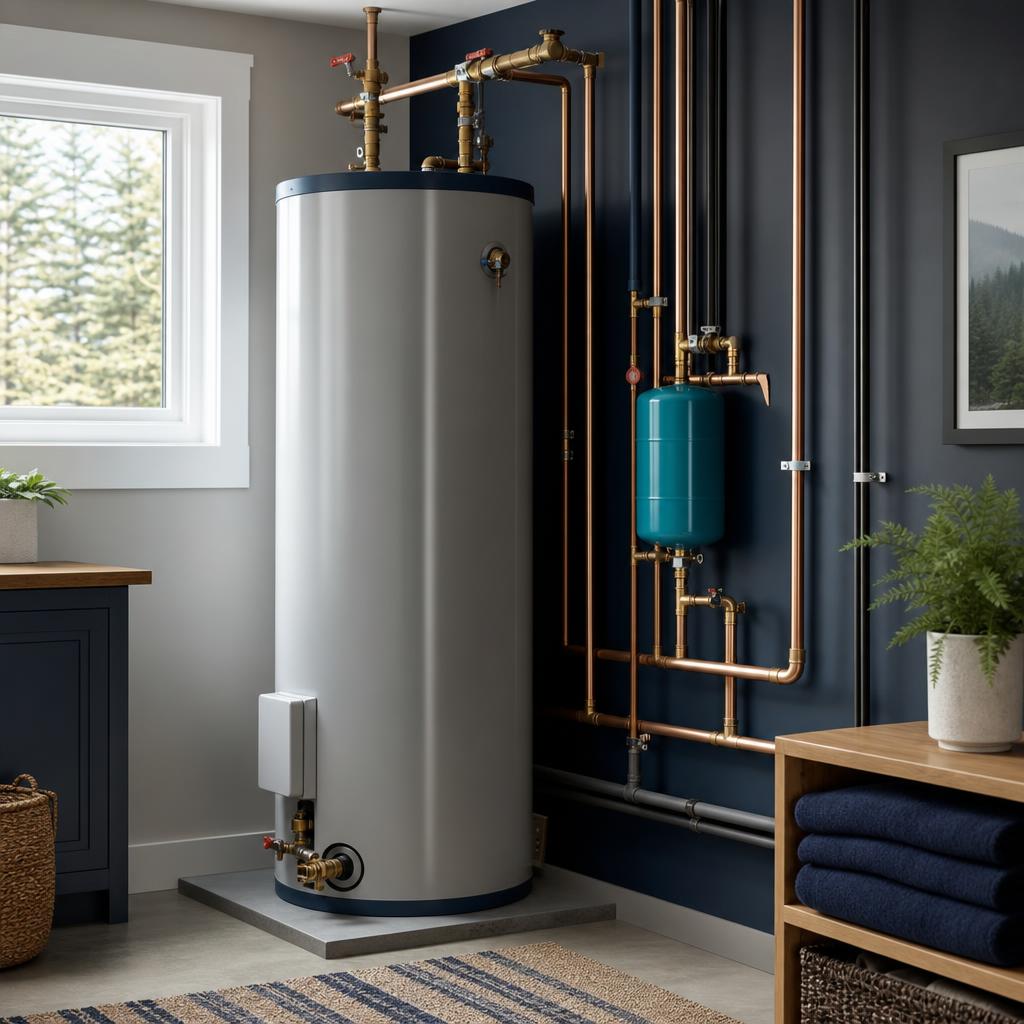
Illustrative AI-generated image, not a photograph of local work or a provider.
Water heater installation in Manotick is a planning decision, not simply a matter of swapping one tank for another. Capacity, fuel or electrical service, venting, drainage, safety controls, location, household demand, and future access all deserve review. This page is an educational guide for homeowners considering a new conventional or other water-heating system. Compare it with the water heater service overview, then use the service request form to ask a qualified provider about your property. The site does not operate an installation crew, publish prices, promise availability, or provide a guarantee.
Why installation starts with a household profile
A suitable water heater depends on how a home uses hot water, not just the number printed on an old tank. Count bathrooms, simultaneous showers, bathing habits, laundry timing, dishwasher use, and any future occupants or renovation plans. A larger tank can provide more stored water but may occupy valuable space and change operating costs; a smaller one may recover quickly yet disappoint during overlapping demand. Write down the actual complaint: shortage, recovery time, leakage, noise, or an upcoming remodel.
Do not select a model solely from an online dimension or a neighbour’s experience. Connections, controls, clearances, access, and energy source vary between properties. The renovation plumbing guide is useful if the heater is part of a basement or utility-room project. A provider should confirm assumptions on site or from reliable documentation and explain which items are included, excluded, or dependent on another trade.
Tank replacement versus a different system
A conventional storage tank holds heated water for use, while other designs heat water differently and may alter space, controls, recovery, and installation requirements. The right choice depends on demand, incoming water conditions, available energy, venting, electrical capacity, maintenance expectations, and budget. A new technology is not automatically suitable simply because it is newer, and a familiar tank is not always the most efficient fit.
Ask for a comparison that separates equipment from installation conditions. Useful questions include expected first-hour performance, noise, service access, drainage, controls, and what happens during a power interruption. The tankless water heater guide addresses continuous-flow considerations separately; it is not a promise that a tankless unit is appropriate. Seek an explanation of trade-offs rather than a single “best” answer detached from the home.
Location, access, and protection from leaks
The installation location affects more than appearance. A heater needs safe access for controls and future service, a sound floor or support, appropriate clearances, and a sensible route for water discharge if a relief event occurs. Finished basements and tight closets can conceal access problems. Consider whether a drain pan, leak detection, isolation valves, or an automatic shutoff is useful, but confirm compatibility rather than adding devices indiscriminately.
Measure doors, stairs, turns, and the path to the utility area before delivery is scheduled. Protect flooring and plan removal of the old unit, including residual water. A heater in a vulnerable finished space deserves a conversation about basement flood protection, but protective accessories do not make an installation risk-free. Ask who supplies, installs, tests, and maintains each component so responsibility is clear.
Connections, venting, and energy boundaries
Water, fuel, electrical, venting, combustion air, and condensate may all meet at a water heater. Each interface has its own safety boundary. A fuel-fired appliance should not be modified casually, and electrical work should not be assumed to fall within plumbing scope. A replacement can expose a mismatch in venting or service capacity even when the old unit appeared to function. Record the existing fuel type and model information, but do not infer compatibility from appearance alone.
Ask the provider to identify which work is included and which requires another qualified trade or separate authorization. Do not block vents, remove combustion-air provisions, or use an extension cord as a permanent solution for equipment that needs proper wiring. The plumbing repair page explains why connected valves and pipes can need repair during replacement. Written assumptions are especially valuable when several trades coordinate in a renovation.
Sizing for recovery and real use
Sizing should consider peak demand and recovery, not only litres stored. Two homes with the same number of residents can have very different hot-water patterns. Ask how the proposed system handles simultaneous showers, a dishwasher, laundry, and kitchen use, and whether the answer relies on changing habits. If a shortage is new, investigate a failing element, sediment, mixing valve, dip tube, or control before assuming the entire unit is undersized.
A larger capacity can introduce different space, weight, heat-loss, or operating considerations. A high-output system may require service changes that affect the installation scope. Keep the conversation practical: what performance is expected, under what demand, and what would indicate a fault later? The water heater information page can help you prepare symptom notes for a repair-versus-replacement discussion rather than treating age alone as proof.
Installation day and commissioning
Before work starts, confirm model, location, access, shutoff arrangements, removal, protection of finishes, and the testing plan. Ask when water will be unavailable and whether hot-water recovery takes time. Keep the work area clear and secure pets. If an old unit is leaking, safe isolation may take priority over a perfect scheduling sequence. Do not operate unfamiliar controls while work is underway unless instructed.
Commissioning should include checking connections, valves, temperature behaviour, discharge routing, controls, and visible leaks. Ask for operating instructions, maintenance expectations, warranty documents supplied by the manufacturer, and the identity of the party responsible for follow-up. This site cannot guarantee installation quality or represent that any specific provider is licensed, insured, or available. Those facts and the applicable scope should be verified directly before authorization.
Maintenance after a new heater
A new unit still needs observation. Learn where the water and energy shutoffs are, look periodically for moisture, listen for unusual sounds, and notice changes in hot-water quantity or temperature. Never cap, obstruct, or discharge a safety outlet into an unsafe location. Keep the manual accessible and follow the manufacturer’s maintenance directions instead of adopting a generic internet schedule that may not suit the equipment.
If the system uses a filter, condensate drain, anode, mixing valve, or other serviceable part, ask what the homeowner can safely observe and what requires a qualified person. A small leak can worsen even on a recently installed unit. The home plumbing checklist helps record shutoffs and equipment information. Document concerns promptly and contact the responsible provider or manufacturer according to the written terms.
Comparing proposals without false certainty
A useful proposal describes equipment, capacity assumptions, connection work, disposal, access, testing, controls, and exclusions. Compare like with like rather than choosing the shortest description or lowest headline number. Ask whether changes to venting, electrical supply, drainage, framing, or finished surfaces are included. A proposal should also state what happens when concealed conditions differ from what was visible.
Costs vary with equipment, access, site conditions, coordination, and required modifications; this resource does not publish a universal price or imply a guarantee. The plumbing cost guide explains cost factors for planning only. Confirm licence, insurance, permits or approvals where relevant, manufacturer requirements, warranty handling, and appointment availability directly. A homeowner can request clarification without committing to a particular system.
Also ask how the old heater will be isolated during removal and whether residual water, disposal, and temporary loss of hot water are included in the plan. If the utility area is finished, clarify protection for floors and walls and the expected route for carrying equipment. These practical details do not determine the best technology, but they make the installation conversation more concrete and expose assumptions before delivery.
Questions about water heater installation in manotick
How do I know whether to repair or replace my water heater?
Consider the symptom, leak location, age and condition, repair history, performance, and whether household demand has changed. A leaking tank or repeated failures may lead to replacement, but only an inspection can distinguish a tank problem from a valve, control, or connection issue.
Is a bigger tank always better?
No. More storage may help peak demand but can require more space and affect operating considerations. Sizing should reflect actual use, recovery, equipment limits, and installation conditions. Ask for the assumptions behind a recommendation rather than selecting by capacity alone.
What should be included in an installation proposal?
Look for equipment identification, capacity assumptions, connections, isolation, discharge and drainage details, removal, protection, testing, controls, exclusions, and follow-up terms. Confirm whether electrical, fuel, venting, or finishing work is included or requires another qualified trade.
Can I install a water heater myself?
Water heaters can involve pressurized water, electricity, fuel, venting, combustion, and safety controls. DIY work can create serious hazards and may affect manufacturer requirements or insurance. Use qualified professionals for work beyond safe homeowner observation and verify credentials directly.
Does this site schedule water-heater installation?
The site provides educational information and a request route. It does not claim an operating installation crew, guaranteed availability, emergency dispatch, pricing, or coverage. A provider relationship, qualifications, scope, and timing must be confirmed directly before work.