
Basement Flood Prevention in Manotick: what to know before the next step
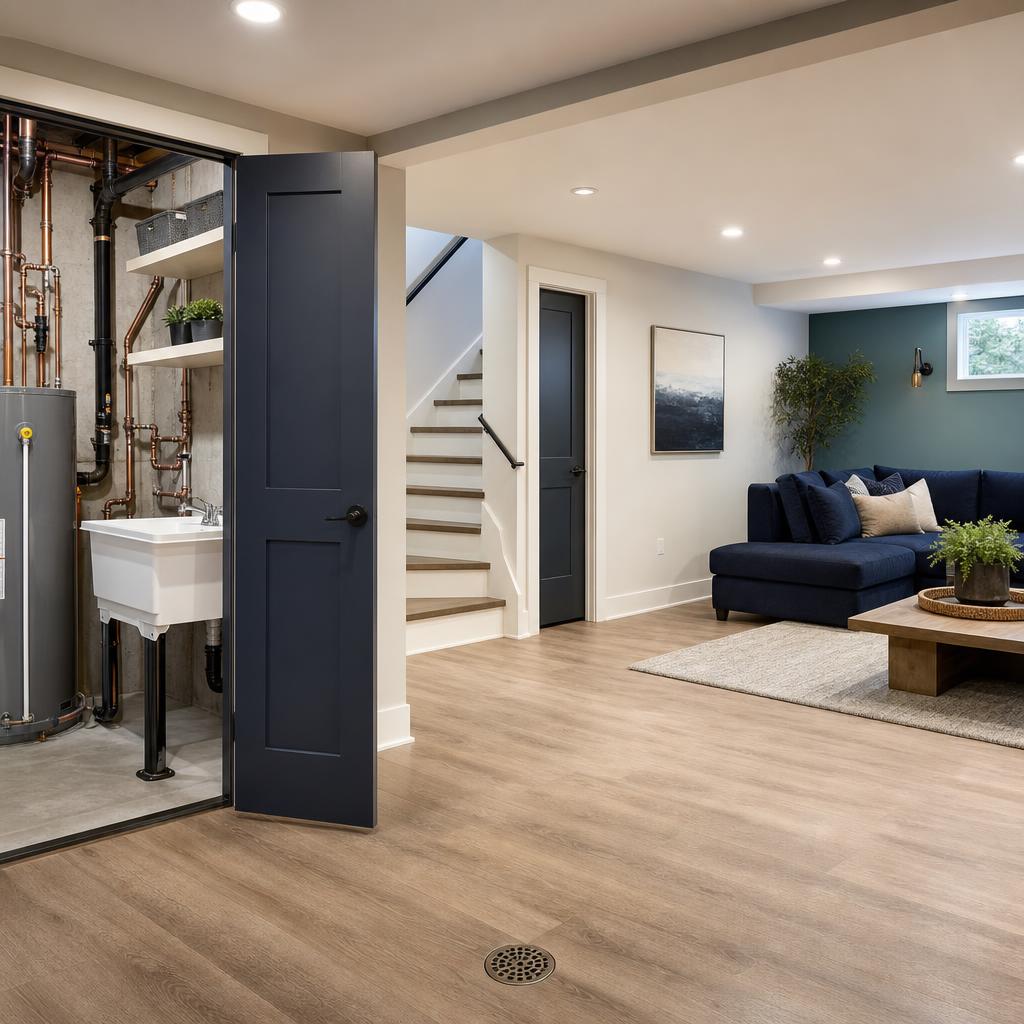
Illustrative AI-generated image, not a photograph of local work or a provider.
Basement flood prevention in Manotick works best as a layered review of how water could enter, collect, and leave a home. Groundwater, rainwater, plumbing leaks, sewer backup, snowmelt, and a failed sump system are not one problem with one product. This guide gives homeowners a practical way to inspect visible clues, prioritize questions, and request appropriate service without overpromising an outcome. It is educational content from a local information and service-request site; it does not claim a provider, emergency response, guaranteed protection, or specific local project experience.
Start by identifying water pathways
Ask where water would come from and where it would go. Foundation seepage may appear at wall joints or cracks; surface water may arrive through window wells or downspouts; groundwater may collect at the sump; a sewer backup may rise through a floor drain or fixture. A supply leak can wet a ceiling or wall far from its source. Photographing dry, visible conditions and marking previous water lines can help a professional distinguish pathways.
Do not let the phrase “flood protection” hide the diagnosis. A basement flood protection service page is a starting point, not a site assessment. Keep a simple log of rainfall, pump cycles, drain behaviour, odour, location, and duration. That record can reveal whether a problem is weather-related, fixture-related, or continuous, and can prevent a costly response aimed at the wrong source.
Keep groundwater moving away
Foundation drainage depends on the home’s design and condition. Grading, downspout discharge, window wells, exterior drainage, foundation membranes, interior channels, and a sump basin may all influence how water reaches the pump. Water directed toward the foundation increases the burden on every interior measure. Check that downspouts are not emptying beside the wall and that window-well covers are not directing water inward, while avoiding unsafe roof or ladder work.
Inside, keep the sump pit accessible and the pump’s float clear. A lid, alarm, check valve, and discharge route should be reviewed as a connected system. Read sump pump installation guidance before comparing backup ideas, because pump capacity, lift, and outlet resistance matter. Never handle electrical equipment from standing water; personal safety is more important than proving whether a motor still runs.
Reduce sewer-backup exposure
Sanitary backup is a different risk from groundwater. It may enter through a floor drain, toilet, laundry connection, or other low fixture when downstream conditions change. A properly assessed backwater valve can help limit reverse flow in a relevant line, but its location, access, and maintenance determine whether it is useful. It does not block groundwater or make all lower-level fixtures safe to use during a closure.
List every basement fixture and visible cleanout before asking about a valve. Note whether drains gurgle, smell, slow, or have previously overflowed. Backwater valve installation information explains questions about access and protected pathways. If sewage is present, keep people and pets away, avoid contact, and seek appropriate professional and public-health guidance rather than treating it as ordinary clean water.
Plan for pump and power failure
A primary sump pump can fail from a blocked intake, stuck float, failed check valve, damaged motor, restricted discharge, or power interruption. A backup plan should consider the actual failure modes rather than only buying a battery. Possible layers include an alarm, a secondary pump, a battery system, generator planning, and a maintained discharge route. Each option needs testing, and none eliminates the need to inspect the primary system.
Test alarms where household members can hear them, record battery dates, and keep access clear. Do not run combustion generators indoors, in a garage, or near openings. An electrician should address transfer equipment and electrical loading; a plumber should assess water movement and discharge. The sump pump repair guide can help organize symptoms before a planned service request.
Protect lower-level fixtures and finishes
Prevention includes sensible storage. Keep irreplaceable records, electronics, chemicals, and absorbent materials off the floor and away from the pit, water heater, laundry connections, and floor drains. Use shelves that remain accessible for inspection. Finished flooring and drywall can conceal early moisture, so notice musty odours, staining, peeling, cold damp patches, and repeated condensation rather than waiting for visible standing water.
A leak alarm near a water heater, laundry appliance, or vulnerable connection may provide useful early notice, but it is not a shutoff valve and cannot call help by itself. Know where water shutoffs are located and label them from a dry position. Plumbing repair information may help classify a fixture leak, while building-material drying and restoration may require separate specialists.
Prepare for heavy rain and spring thaw
Seasonal preparation is a sequence, not a single annual button. Inspect the sump and discharge, clear leaves from safe ground-level drainage points, check window wells, confirm alarms, and walk the exterior after rain if conditions are safe. Look for water collecting against the foundation or returning toward the house. Do not enter fast-moving water, climb unstable surfaces, or perform electrical checks in wet conditions.
Before leaving for an extended period, decide who can hear an alarm, access the mechanical room, and respond to a power outage. Do not promise yourself that a neighbour can manage a system they have never seen. A written map of shutoffs, the pit, breaker, valve, and emergency contacts is more useful than a vague instruction to “watch the basement.” The basement plumbing guide can help turn observations into a household checklist.
Prioritize improvements realistically
A risk review should separate immediate hazards from worthwhile future work. An exposed active leak, unsafe electrical condition, sewage contamination, or rapidly rising water needs a prompt safety response. A noisy but functioning pump, missing alarm, inaccessible valve, or damp odour can become a planned diagnostic visit. Ask what evidence supports each recommendation and which improvement reduces the most relevant pathway first.
There is no universal priority order for every house. A property with a dry finished basement but poor downspout discharge may need a different conversation than one with recurring sewer odours and no accessible valve. Insurance coverage, municipal questions, and structural repairs should be confirmed with the relevant authority or professional. Water damage prevention guidance supports planning but does not guarantee coverage or eliminate risk.
Requesting a useful prevention review
Describe the home’s lower level, the age and condition of the pump, visible drainage components, previous incidents, finished areas, and the outcomes you want to improve. Include safe photographs and a sketch of fixtures, pit, cleanouts, and discharge. Ask whether the review includes sump performance, backwater protection, discharge routing, alarms, and fixture leaks, or whether those are separate scopes. Clear boundaries make recommendations easier to compare.
ManotickPlumber.com is an informational and service-request resource. It does not imply that a plumbing company operates here, that a licensed team has inspected a property, that emergency dispatch is available, or that any result or price is guaranteed. Use the request an estimate route for a non-emergency inquiry and verify provider identity, qualifications, insurance, scope, schedule, and terms independently. In immediate danger, leave the area and contact the appropriate emergency service.
A careful conversation should also cover what happens after the first visit. Ask how observations will be documented, whether photographs or moisture readings are part of the assessment, which recommendations need another trade, and what maintenance the household can realistically perform. Request written distinctions between a temporary measure, a repair, and a longer-term improvement. This prevents an alarm, valve, pump, or drainage adjustment from being presented as a complete solution when several water pathways remain. Keep your own notes, receipts, model numbers, and diagrams together so a future professional can understand the history without relying on memory.
Questions about basement flood prevention in manotick
What is the first step in basement flood prevention?
Identify the likely water pathway: groundwater, surface water, sewer backup, plumbing leakage, or a pump and power failure. Observe safely, record symptoms, and seek an assessment that addresses the actual pathway.
Does a sump pump protect against sewer backup?
No. A sump system handles groundwater collected around the foundation. Sewer backup is a separate drainage risk that may involve a backwater valve and household water-use planning.
How often should I test flood-prevention equipment?
Use the manufacturer’s instructions for pumps, alarms, batteries, and valves, and make a seasonal visual review before wetter periods. Test only when electrical and water conditions are safe.
Should items be stored beside the sump pit?
Keep the pit, pump, alarm, shutoffs, and discharge route accessible. Store valuables and moisture-sensitive goods elevated and away from likely water paths.
Can grading and downspouts prevent every basement leak?
They can reduce some surface-water loading but cannot address every source. Foundation drainage, sewer flow, plumbing leaks, and groundwater may require separate measures.
What should I do during active basement flooding?
Protect people first, avoid wet electrical equipment and contaminated water, and leave unsafe areas. Contact the appropriate emergency resource; a non-emergency website request is not emergency dispatch.