
Sump Pump Installation in Manotick: what to know before the next step
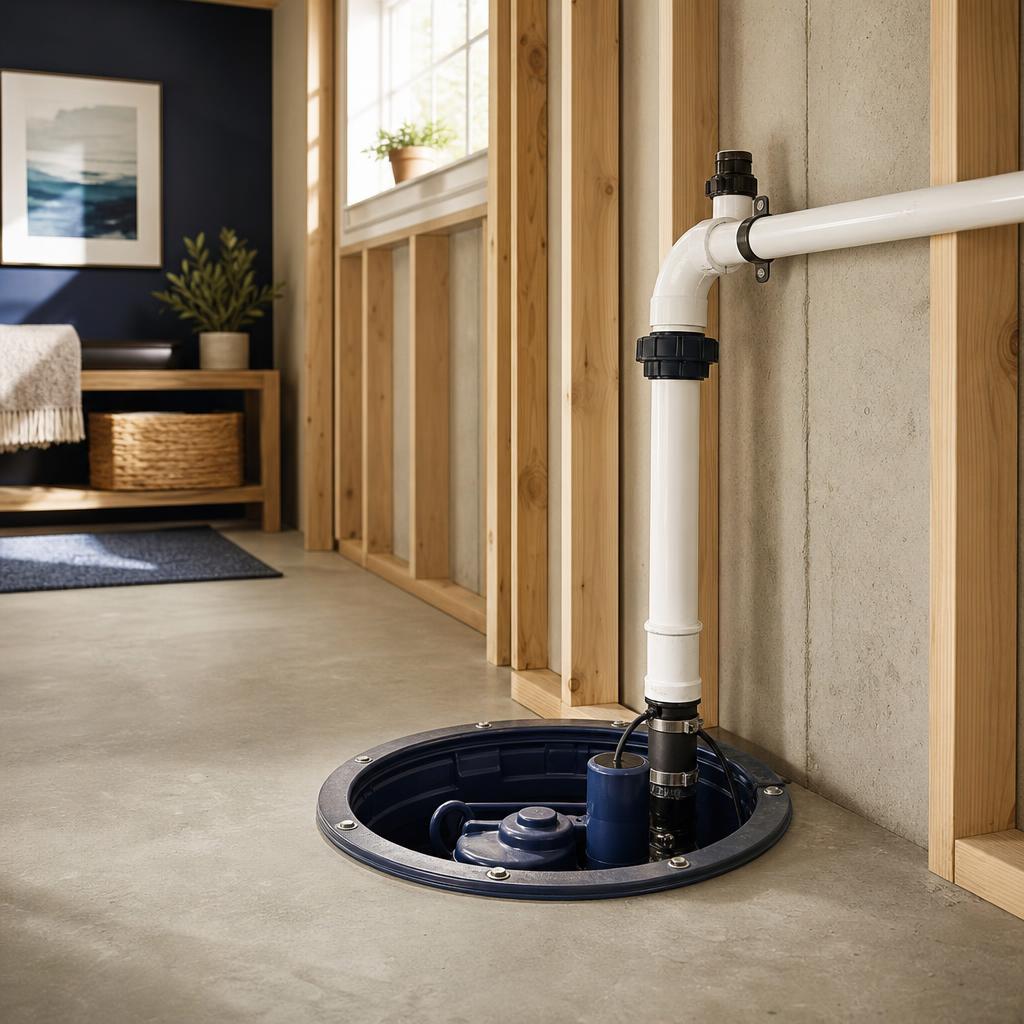
Illustrative AI-generated image, not a photograph of local work or a provider.
Sump pump installation in Manotick is a planning decision as much as a hardware decision. A correctly selected pump, properly supported discharge, accessible pit, and sensible backup plan work together to move groundwater away from a lower level. This guide is for homeowners comparing an initial installation, a replacement, or an unfinished-basement upgrade. It explains what to observe, what a qualified plumbing professional should review, and which questions to ask before requesting service. It is educational information, not a promise that a provider is available, licensed, or operating through this site.
What a new sump pump system includes
A complete installation usually has more parts than the pump itself. The package may include a basin or liner, a pump, a discharge pipe, a check valve, a screened or fitted lid, electrical protection, and a route that carries water away from the foundation. The right arrangement depends on how the basement drains, the pit dimensions, groundwater behaviour, and the home’s existing plumbing. Begin with sump pump service information to understand the vocabulary before comparing equipment.
A pump should sit level and remain accessible for inspection. The intake needs room to pass water without being blocked by sediment, while the float or sensor needs unobstructed movement. A sealed lid can reduce odours and humidity where the design permits, but it must still allow maintenance. Ask for an explanation of each component and its purpose; a homeowner who understands the layout is better prepared to notice a problem early.
Assessing the pit and water path
Before choosing capacity, look at the existing pit during a dry period and after wet weather if possible. Note its diameter, depth, cracks, sediment, inflow points, and whether the surrounding floor drains toward it. A small or damaged pit can limit pump performance even when the motor is powerful. If there is no pit, excavation may involve concrete, dust control, access planning, and coordination with other basement work. These are site questions that cannot be answered honestly from a product name alone.
Water needs a dependable path after it leaves the pump. The discharge route should resist kinks, protect against freezing where relevant, and direct water far enough from the foundation to avoid simply recycling it. Never assume a convenient nearby drain is an acceptable destination. Review the basement flood prevention guide alongside the plumbing layout, and ask what happens during a heavy downpour, a frozen outlet, or a power interruption.
Choosing pump capacity thoughtfully
Pump ratings are commonly discussed in gallons per minute and head height, but a headline rating does not describe real performance in a particular home. Vertical lift, pipe diameter, elbows, check valves, and discharge length all add resistance. A pump that appears powerful on a box may move much less water once installed. A professional assessment should connect the expected inflow and total lift to a practical pump curve rather than selecting the largest motor by habit.
Oversizing can also be unhelpful. Very rapid cycles may occur if the pit and switch are poorly matched, and frequent starts can shorten equipment life. Ask about the normal operating range, expected cycle behaviour, noise, service access, and replacement parts. If the basement is finished, discuss vibration isolation and lid design as well as capacity. A quiet, maintainable system is often more useful than an impressive specification that does not suit the room.
Discharge piping and check valves
The discharge assembly should be secured so its weight does not pull on the pump or create a loose joint. A check valve helps prevent the vertical column of water from falling back into the pit after a cycle. That feature must be installed in the correct direction and remain accessible enough to inspect. Unusual banging, repeated short cycles, or water returning noisily to the basin are reasons to investigate rather than merely replacing the motor.
The outlet deserves attention in winter and during landscaping changes. A hose or pipe that ends beside the foundation can undermine the purpose of the installation, while a blocked or frozen end can increase back pressure. Keep soil, mulch, and stored objects away from the outlet. Homeowners may also want plumbing repair guidance if a failed connection has already wet walls or flooring, because drying and building-material advice may be separate from pump work.
Power, alarms, and backup planning
A sump pump depends on electricity at the moment storms may make power unreliable. Have the electrical portion assessed by an appropriately qualified electrician or plumbing professional working within their scope. The receptacle, cord, ground-fault protection, and placement must be suitable for a damp area. Do not use a damaged extension cord or improvise a connection near standing water. Keep the breaker and pump plug identifiable, but do not touch electrical equipment while wet.
A battery backup, secondary pump, water alarm, or generator can address different failure modes; none is automatically right for every household. Battery systems need charging, testing, and eventual battery replacement. A second pump needs room, a suitable float, and a discharge strategy. An alarm is useful only if someone can hear or receive it. For a broader risk review, compare backwater valve information because groundwater entry and sewer backup are separate pathways.
Installation in a finished basement
Finished rooms make access and protection part of the scope. Before work starts, identify flooring transitions, built-in cabinetry, stored items, drywall, and the route for carrying materials. Ask how dust, water, and removed concrete will be contained. The visible result may be a neat lid and pipe, but the hidden access around the pit should not be sealed in a way that prevents future service. Photograph the completed assembly and keep model information with household records.
A finished basement also changes the consequences of a small failure. Consider a high-water alarm where it can be heard upstairs, a clear path to the pump, and a written shutoff and testing routine. Do not place valuables directly beside the basin merely because the room is dry today. A basement plumbing checklist can help organize observations about floor drains, laundry fixtures, and other lower-level connections before requesting an estimate.
Testing and maintenance after installation
Commissioning should include more than switching the pump on once. Add water gradually and watch the float, motor, check valve, discharge, and pit level through a complete cycle. Look for leaks, unusual sounds, movement, and water returning after shutdown. Test an alarm separately. Record the date, pump model, and any battery details. If the pump runs continuously, fails to start, or cannot keep up with ordinary inflow, stop treating the symptom as normal and seek assessment.
At reasonable intervals, remove debris only when power is safely isolated and the manufacturer’s instructions permit it. Check that the float moves freely and that the outlet remains open. A maintenance note is particularly useful before spring thaw, extended rain, or a planned absence. The site’s water damage prevention advice can support household planning, but it cannot inspect a pump or replace a service provider’s instructions.
Planning a request for installation
A useful service request describes the home rather than simply naming a pump. Include whether the basement is finished, whether a pit already exists, how often the current pump runs, where the discharge ends, and whether there has been flooding. Photos of the basin, outlet, electrical receptacle, and nearby finishes can make an initial conversation more efficient. Ask what access is needed, what is included, and which items would be handled by another trade.
There is no universal installation price because excavation, access, drainage, electrical work, discharge distance, and equipment needs vary. This information site does not claim an operating provider, emergency dispatch, guaranteed result, or local project history. Use the request an estimate form only for a non-emergency service inquiry, and independently confirm qualifications, scope, insurance, timing, and terms before authorizing work. For active flooding, prioritize personal safety and contact an appropriate emergency resource.
Questions about sump pump installation in manotick
Should every Manotick basement have a sump pump?
Not necessarily. Drainage design, groundwater, foundation construction, and existing systems differ. A site assessment can explain whether a pit and pump address a real water pathway, rather than assuming one product fits every home.
How large should a sump pump be?
Capacity depends on inflow and total head, including vertical lift and pipe resistance. Ask for selection based on the installed system and expected conditions, not only the maximum number printed on packaging.
Is a battery backup worth considering?
It can be useful where a power interruption and a wet period could overlap, but it requires testing and battery maintenance. A professional can compare a backup pump, battery, generator, and alarm for your layout.
Can I install the pump myself?
Some homeowners can handle simple maintenance, but excavation, electrical safety, discharge routing, and basement water risk make installation worth discussing with a qualified professional. Never work around wet electrical equipment.
Where should the discharge pipe end?
It should direct water away from the foundation without creating a hazard or freezing problem. The correct outlet depends on the property and applicable requirements; do not assume a floor drain or neighbour’s property is suitable.
Does a sump pump prevent sewer backup?
No. A sump pump handles groundwater collected by the foundation drainage system. Sewer backup is a different pathway and may call for a properly assessed backwater valve and other measures.